
When Can You Swim After Shocking Pool? Safe Wait Times

When is it safe to swim after shocking my pool?
Read full question
I noticed the pool at my new rental was cloudy so I shocked it yesterday evening, but now I'm completely lost on when it's safe for my kids to jump back in. The pool store guy said "wait a few hours" but I've read everything from 8 hours to 24 hours online. The chlorine smell is still pretty strong this morning. I used liquid shock (sodium hypochlorite) and added about a gallon to my 20,000 gallon pool. How do I know when the chlorine levels are actually safe for swimming? I don't want to keep the kids out longer than necessary, but I definitely don't want to risk any chemical burns or irritation.
Quick Answer
You can typically swim 8-24 hours after shocking, but the key is testing chlorine levels rather than relying on time alone. Free chlorine should drop below 10 ppm (the commonly cited safe-swim cap) and the water should be clear before anyone gets in. Different shock types have different wait times, and factors like circulation and water chemistry can affect chlorine dissipation. Use our all-in-one pool calculator to estimate appropriate shock dosing and ensure safe swimming levels.
The Real Answer: Test Don't Guess
Run through these three water chemistry checks after shocking your pool and you'll know exactly when it's safe to get back in the water. The "right" time to swim depends on several factors including the type of shock used, the amount added, your pool's circulation, and environmental conditions.
I'd recommend waiting until your free chlorine level drops to safe swimming levels (below 10 ppm, the CDC limit while bathers are in the water) before allowing anyone back in the pool. This typically takes 8-24 hours, but testing removes the guesswork entirely.
Different Shock Types, Different Wait Times
Liquid Chlorine (Sodium Hypochlorite)
If you used liquid shock, this is actually the fastest-dissipating option. You'll usually see safe swimming levels within 8-12 hours with good circulation. The strong chlorine smell you're noticing should fade as levels drop.
Granular Cal-Hypo Shock
Calcium hypochlorite shock tends to take longer to dissolve and distribute evenly. You'll want to wait at least 12-24 hours and ensure all granules have completely dissolved before swimming.
Dichlor Shock
Sodium dichloro-s-triazinetrione typically requires 8-12 hours, similar to liquid shock. However, this type adds stabilizer (CYACyanuric Acid (stabilizer) — Sunscreen for your chlorine — it keeps sunlight from burning it off. The catch: the more you have, the more chlorine you need to keep. learn more →) to your pool with each use.
When the Numbers Don't Add Up
Sometimes you'll test and find chlorine levels are still too high even after 24 hours. This commonly happens when:
- Your pool pump isn't running long enough to circulate properly
- You added more shock than necessary for the situation
- Poor water circulation due to filter issues
- Very high stabilizer levels are preventing chlorine from dissipating normally
If you're consistently seeing slow chlorine dissipation, you might want to check your complete water chemistry including CYA levels.
The Testing Process That Actually Works
Rather than relying on time estimates, here's what I recommend for determining swim-readiness:
- Wait at least 8 hours minimum - This gives the shock time to do its sanitizing work
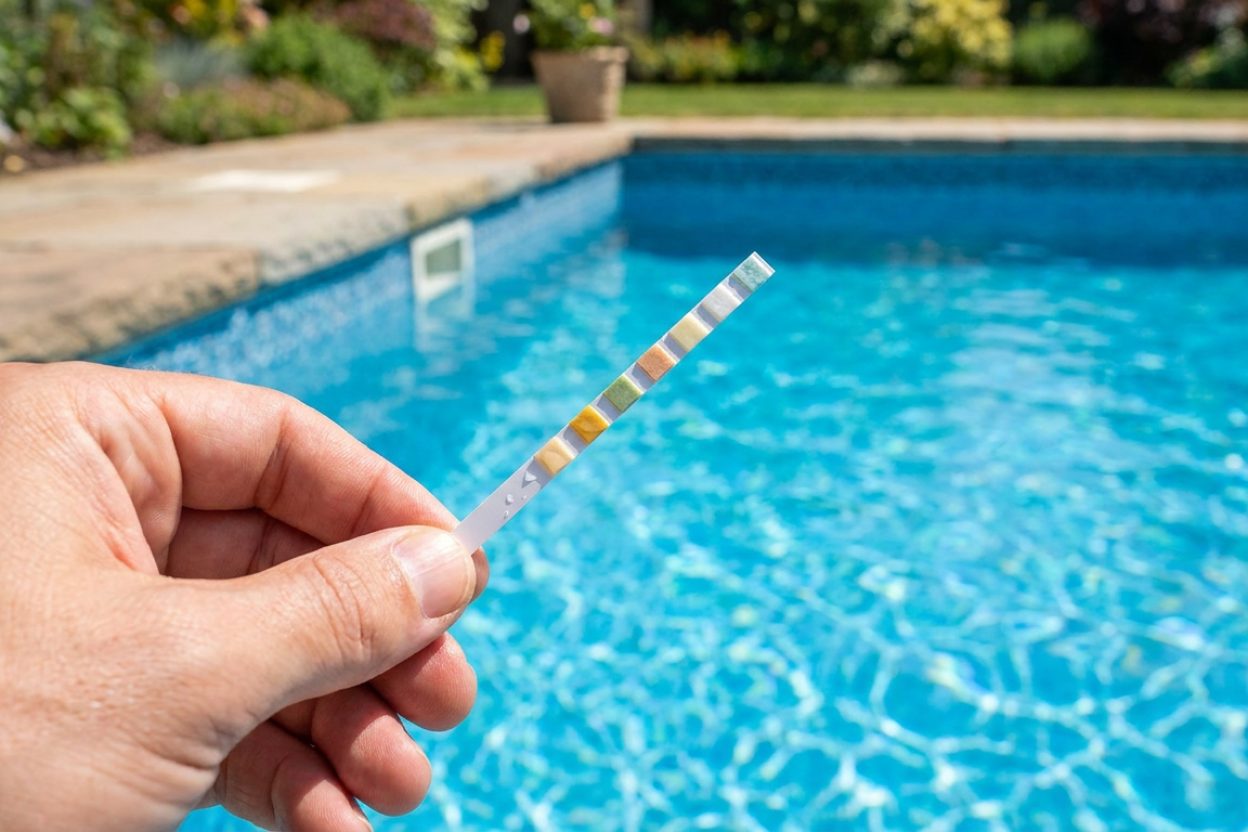
- Test free chlorine using a reliable kit - Pool test strips often aren't accurate enough for post-shock testing
- Confirm levels are at safe swimming levels (free chlorine below 10 ppm, the CDC limit while bathers are in the water, with pH 7.2-7.8 and the water clear enough to see the bottom) - This provides a safe margin for swimming
- Check that the water looks clear - Cloudy water may indicate the shocking process isn't complete
You can use our chlorine calculator to better estimate appropriate shock dosing for future treatments, which can help reduce wait times.
Signs It's Definitely NOT Ready
Don't let anyone swim if you notice:
- Strong chemical odor that makes your eyes water
- Visible undissolved shock granules on the pool bottom
- Free chlorine readings above safe swimming levels (below 10 ppm, the CDC limit while bathers are in the water)
- Water that's still cloudy or has a milky appearance
- pH levels outside the 7.2-7.8 range (shock can temporarily spike pH)
Speeding Up the Process Safely
If you need to get back to swimming sooner, there are a few legitimate ways to help chlorine levels drop faster:
Increase circulation: Run your pump continuously until levels drop. Better water movement helps chlorine dissipate more quickly through the system.
Add sunlight exposure: UV rays naturally break down chlorine. If you shocked in the evening (which is ideal for effectiveness), morning sun will help reduce levels faster.
Check your filter: A clean, properly functioning filter helps maintain good water circulation. If your filter needs cleaning, this is a good time to address it.
What About Neutralizing Agents?
Some pool stores sell chlorine neutralizers (sodium thiosulfate), but I generally don't recommend using them unless absolutely necessary. They can create water balance issues and may interfere with your pool's sanitizing ability. It's usually better to wait for natural dissipation.
Planning Future Shock Treatments
For your 20,000-gallon pool, you can minimize wait times by:
- Shocking in the evening to maximize effectiveness before sun exposure
- Using only the amount needed for your specific situation
- Ensuring your pump runs for adequate hours daily (typically 8-12 hours)
- Maintaining proper water balance year-round to reduce the need for heavy shocking
The goal is effective sanitization without overdosing, which just extends your wait time unnecessarily. When dealing with algae problems, you might need our SLAM method guide for more intensive treatment protocols.
 Taylor K-2006C Complete FAS-DPD Pool & Spa Test Kit
The FAS-DPD kit pool pros trust — reads chlorine accurately even at shock/SLAM levels, plus pH, alkalinity, calcium hardness and CYA. View on Amazon →
Taylor K-2006C Complete FAS-DPD Pool & Spa Test Kit
The FAS-DPD kit pool pros trust — reads chlorine accurately even at shock/SLAM levels, plus pH, alkalinity, calcium hardness and CYA. View on Amazon →
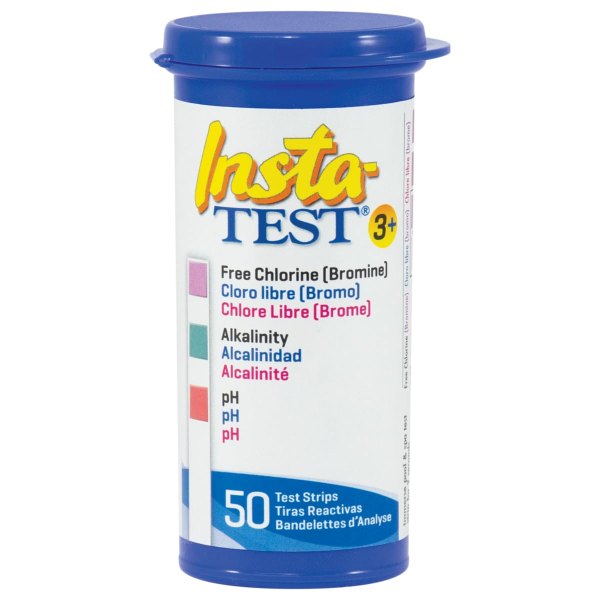 LaMotte Insta-Test 3 Pool Strips (50 ct)
Pro-grade 3-way strips from LaMotte — chlorine, pH & alkalinity, fast and accurate. Top-rated at 4.8★. View on Amazon →
LaMotte Insta-Test 3 Pool Strips (50 ct)
Pro-grade 3-way strips from LaMotte — chlorine, pH & alkalinity, fast and accurate. Top-rated at 4.8★. View on Amazon →
Still need help? Ask a Pool & Spa Expert AD
Get a personalized answer from PoolGuy810 — 30 years owning a pool and spa repair company. Describe your issue and get step-by-step help.
Related Pool Guides
Need More Help?
Try our free pool calculators and tools to help diagnose and fix your pool problems.
Browse Pool ToolsSLAM calculator, pH calculator, salt dosing & more