
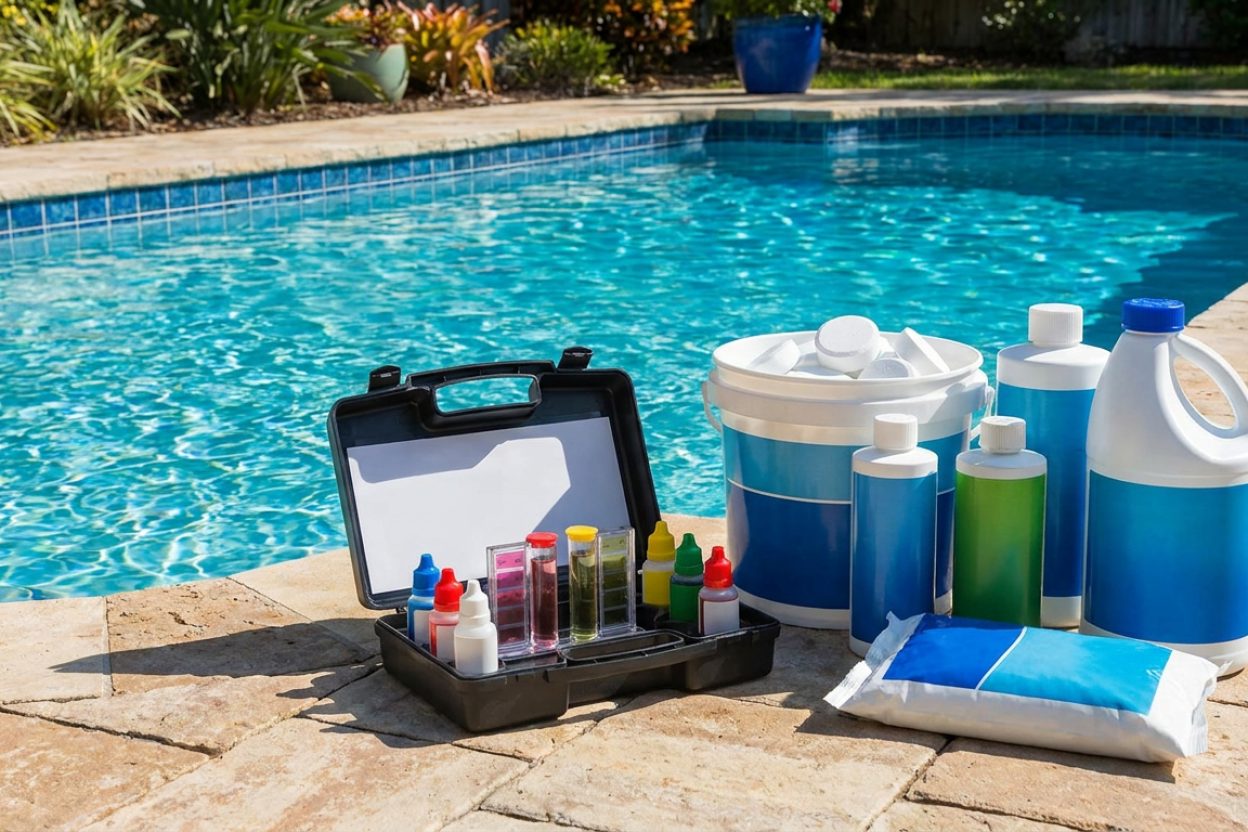
Can You Store Pool Chemicals in a Deck Box? Safety Guide

Is it safe to store my pool chemicals in a deck storage box?
Read full question
I opened my deck box yesterday to grab pool shock and noticed a strong chemical smell — did I mess up storing chlorine tablets and pH adjusters out here?
I know chemicals can be finicky, but these deck boxes seem pretty sturdy. Anyone know if this is actually safe or if I'm asking for trouble? Don't want to accidentally create some kind of chemical reaction disaster in my backyard!
Quick Answer
You can store pool chemicals in a deck box, but only with proper ventilation, temperature control, and separation of incompatible chemicals. Most deck boxes aren't ideal without modifications.
Essential Safety Requirements
Before using any deck box for pool chemical storage, it must meet these critical safety standards:
- Adequate ventilation - Chemicals need air circulation to prevent dangerous gas buildup
- Temperature control - Many chemicals become unstable or dangerous when overheated
- Moisture protection - Humidity can cause chemical reactions and degradation
- Chemical separation - Incompatible chemicals must be kept apart
- Childproof security - All pool chemicals are hazardous to children and pets
Best Deck Box Features for Chemical Storage
Not all deck boxes are created equal when it comes to chemical storage. Look for these features:
Ventilation System
Your deck box needs built-in vents or the ability to add them. If your deck box lacks ventilation, install weatherproof vents near the top and bottom of opposite sides to create cross-ventilation. Avoid simple drilled holes which can allow water entry and may void warranties. This prevents chlorine gas buildup, which can occur when liquid chlorine or calcium hypochlorite breaks down.
UV-Resistant Materials
Choose deck boxes made from UV-resistant resin or treated wood. Prolonged sun exposure can weaken plastic and cause temperature spikes inside the box. Dark-colored boxes absorb more heat, so opt for lighter colors when possible.
Locking Mechanisms
A secure lock is non-negotiable. Pool chemicals like muriatic acid, sodium bisulfate, and all forms of chlorine are extremely dangerous if accessed by children or pets. Look for boxes with built-in locks or hasps for padlocks.
Temperature Control Strategies
Heat is the enemy of pool chemical stability. Here's how to keep your chemicals cool:
- Shade placement - Position the deck box in a shaded area, ideally under an overhang or pergola
- Insulation - Add reflective insulation to the inside walls and lid
- Ventilation gaps - Consider relocating the box to a cooler area or adding reflective covering on hot days
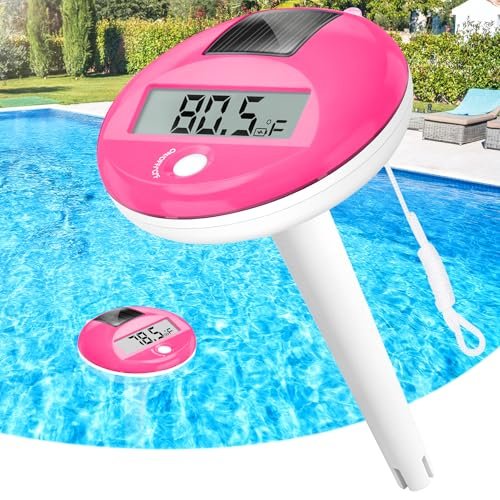
- Temperature monitoring - Use a wireless thermometer to track internal temperatures
Keep internal temperatures below 95°F when possible, though brief exposure to higher temperatures is generally acceptable - check manufacturer specifications for your specific chemicals. At higher temperatures, calcium hypochlorite (pool shock) can decompose rapidly and potentially ignite.
Chemical Separation Guidelines
Even in a deck box, chemical separation is crucial. Follow these rules:
Chlorine Products
Store liquid chlorine separately from dry chlorine products. Keep calcium hypochlorite (basic) and trichlor tablets (acidic) physically separated as they are chemically incompatible. Keep them in original containers and never mix different types.
Acids
Muriatic acid and sodium bisulfate (dry acid) must be stored separately from chlorine products. Use a divider or separate containers within the box. Acids should be stored on lower levels for stability, but kept physically separated from oxidizers to prevent dangerous reactions if spills occur.
Other Chemicals
Algaecides, clarifiers, and enzyme products can generally be stored together but away from chlorine and acids. Calcium chloride and sodium bicarbonate are relatively safe to store anywhere in the box.
What NOT to Store in Deck Boxes
Some pool chemicals should never go in a deck box:
- Large quantities of liquid chlorine - The weight can damage the box and temperature swings are too extreme
- Opened calcium hypochlorite - Once exposed to air, it becomes more unstable
- Any damaged containers - Compromised packaging can lead to dangerous reactions
- Mixed or unlabeled chemicals - Only store chemicals in original, labeled containers
Better Storage Alternatives
While deck boxes can work with modifications, consider these superior options:
Dedicated Chemical Shed
A small ventilated shed provides better temperature control and more space for proper separation. Add shelving, ventilation fans, and temperature monitoring for optimal safety.
Garage Storage
A cool, dry garage corner can work, but a garage is only safer if you keep the chemicals well away from what usually lives in it — gasoline, oil, fertilizer, paint, the lawnmower. Pool oxidizers (cal-hypo, trichlor) can ignite if they contact those fuels or organic material, so a garage that doubles as fuel storage can actually be riskier than a deck box. Use a dedicated spot, off the floor, with oxidizers and acids separated and nothing near an ignition source (water heater or furnace pilot light).
Pool Equipment Enclosure
Many pool equipment areas have space for chemical storage with existing ventilation from pump motors.
Maintenance and Monitoring
Regular inspection is essential when storing chemicals in deck boxes:
- Weekly temperature checks during summer months
- Monthly container inspections for damage or leaks
- Ventilation cleaning to ensure airflow isn't blocked
- Moisture monitoring with desiccant packets if needed
Replace any chemicals that show signs of degradation, such as calcium hypochlorite that's become hard or clumpy, or liquid chlorine that's old and weak (fresh liquid chlorine is naturally yellow, so judge by age and how much you need, not color alone).
Emergency Preparedness
Keep a fire extinguisher rated for chemical fires nearby, and ensure everyone in your household knows where it is. Have the Poison Control number (1-800-222-1222) readily available, and keep Safety Data Sheets (SDS) for all stored chemicals.
With proper modifications and careful monitoring, a deck box can safely store pool chemicals. However, the convenience must be weighed against the additional safety measures required to make it work properly.
Still need help? Ask a Pool & Spa Expert AD
Get a personalized answer from PoolGuy810 — 30 years owning a pool and spa repair company. Describe your issue and get step-by-step help.
Related Pool Guides
Need More Help?
Try our free pool calculators and tools to help diagnose and fix your pool problems.
Browse Pool ToolsSLAM calculator, pH calculator, salt dosing & more