
Do You Need Pool Chemicals With a Sand Filter? Complete Guide

Can I skip pool chemicals if I have a sand filter system?
Read full question
Standing in the pool store for the third time this season while they push their entire chemical lineup on me just because I have a sand filter.
They act like I need their entire inventory just to keep my pool running. I've got a decent sand filter system that seems to be doing its job - the water looks clear and I'm not seeing any debris floating around.
But I'm wondering if I can cut back on some of these expensive chemicals or maybe even eliminate some altogether? The sand filter is catching all the physical stuff, so what exactly do I still need to be buying? I'd love to find some DIY solutions or at least understand what's actually necessary versus what they're just trying to upsell me on.
Quick Answer
Yes, you absolutely need pool chemicals even with a sand filter. Sand filters only remove physical debris and particles - they cannot sanitize water or balance pH, alkalinity, and other chemical levels required for safe swimming. Essential chemicals include liquid chlorine, pH adjusters, alkalinity balancers, and cyanuric acid (CYA).
Why Sand Filters Don't Replace Pool Chemicals
Sand filters work purely through mechanical filtration. Water flows through the sand bed, which traps particles as small as 20-40 microns. However, this process cannot:
- Kill bacteria, viruses, and algae
- Oxidize organic contaminants like sweat, sunscreen, and body oils
- Maintain proper pH levels (7.4-7.6)
- Balance total alkalinity (80-120 ppm for chlorine pools)
- Prevent calcium scaling or metal staining
- Provide cyanuric acid (CYACyanuric Acid (stabilizer) — Sunscreen for your chlorine — it keeps sunlight from burning it off. The catch: the more you have, the more chlorine you need to keep. learn more →) to protect chlorine from UV degradation
Without a sanitizer, even clear-looking filtered water is not disinfected, so bacteria that swimmers introduce are not being killed — filtration removes particles, but only chlorine sanitizes.
Essential Chemicals for Sand Filter Systems
Primary Sanitizer
Liquid chlorine is the most effective and economical choice. Maintain free chlorine (FCFree Chlorine — The chlorine actively sanitizing your water right now. This is the number you keep an eye on. how much you need →) levels based on your cyanuric acid level using the FC/CYAFC/CYA chart — The chart that sets your chlorine target from your stabilizer (CYA) level — the two go together. see the chart → chart. For pools with 30-50 ppm CYA, target 4-6 ppm FC. Use our all-in-one pool calculator for a quick dosing estimate.
Test FC levels daily during swimming season and adjust as needed. Retest 30 minutes after adding chlorine to verify levels.
pH Control
Maintain pH between 7.4-7.6 for optimal chlorine effectiveness and swimmer comfort. Use our all-in-one pool calculator to help you estimate / get in the ballpark, or estimate by using muriatic acid to lower pH - add 1 quart per 10,000 gallons to reduce pH by approximately 0.2 units. For raising pH, use sodium carbonate (soda ash) at 6 ounces per 10,000 gallons per 0.2 pH increase.
Safety warning: Pour acid slowly into the deep end with the pump running so it disperses quickly (when pre-diluting in a bucket, always add acid to water, never water to acid).
Total Alkalinity (TA)
Keep TATotal Alkalinity — The buffer that keeps your pH from bouncing around. Get this in range and pH gets a lot easier to manage. learn more → between 80-120 ppm to buffer pH changes. Lower TA using muriatic acid through the acid demand process. Use our all-in-one pool calculator to help you estimate / get in the ballpark.
Cyanuric Acid (Stabilizer)
Essential for outdoor pools to prevent chlorine degradation from UV rays. Target 30-50 ppm for traditional chlorine systems. Use our all-in-one pool calculator to help you estimate / get in the ballpark. Test CYA monthly; it drops mainly through water replacement and dilution, plus a slow bacterial breakdown over the season.
Application Method: Pre-dissolve the CYA in a bucket of hot water and pour it in slowly, or use the SOCK method (put the CYA in a sock or nylon in the skimmer basket, or hang it in front of a return, squeezing occasionally). CYA dissolves slowly, so retest after a few days to a week, and don't add more until you're sure the levels have stabilized.
Chemical Testing Schedule
With a sand filter system, maintain this testing routine:
- Daily: Free chlorine and pH
- Weekly: Total alkalinity, combined chlorine
- Monthly: Cyanuric acid, calcium hardness
- As needed: Total dissolved solids, metals, phosphates
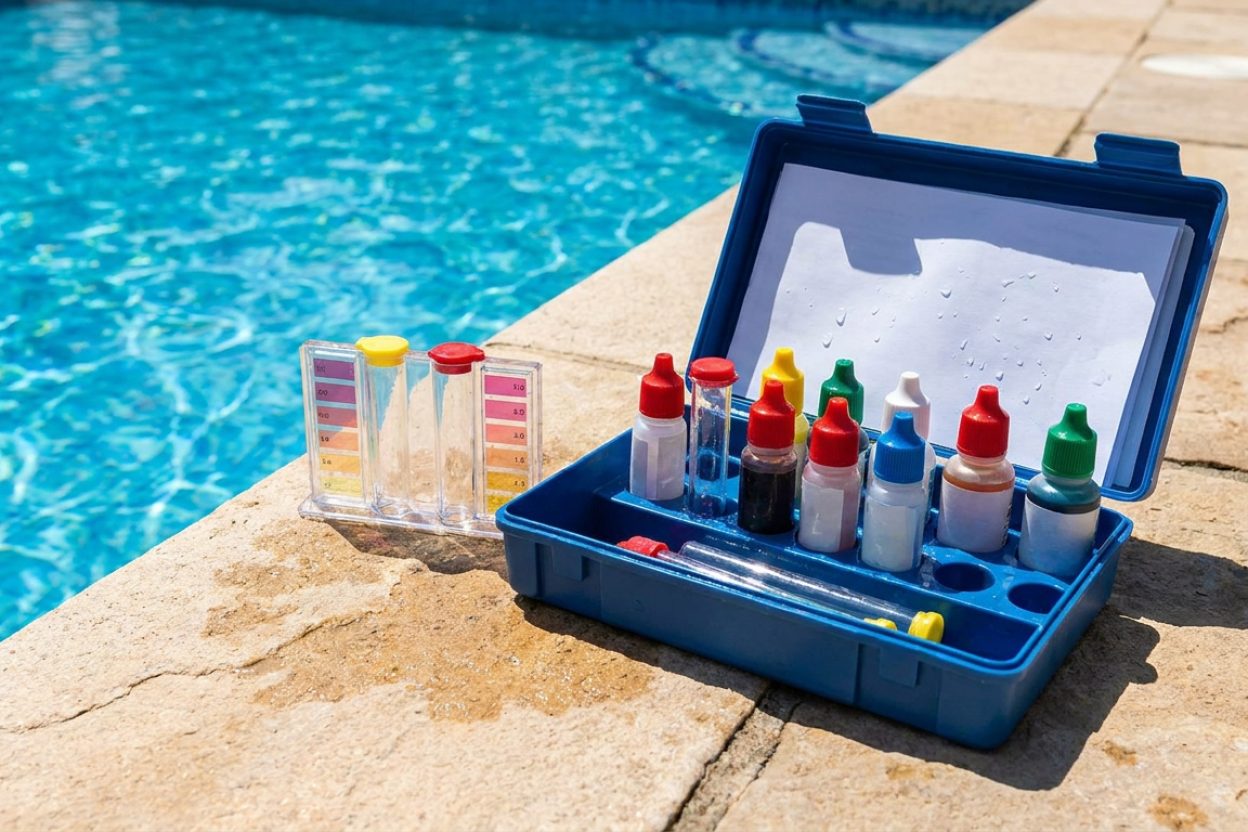
Use a quality test kit like the Taylor K-2006 for accurate results. Pool store test strips are notoriously inaccurate and can lead to chemical imbalances.
Special Considerations for Sand Filters
Backwashing Impact
Regular backwashing removes pool water, which slightly dilutes chemical levels. Test and adjust chemicals after backwashing, especially if you backwash frequently during heavy use periods.
Enhanced Filtration
Consider adding diatomaceous earth (DE) to your sand filter to improve filtration down to 3-5 microns. This doesn't eliminate chemical needs but can reduce the amount of organic matter that consumes chlorine.
Troubleshooting Chemical Issues
Sand filter owners often experience these chemical challenges:
High Chlorine Demand
If chlorine disappears quickly despite adequate filtration, you likely have organic contamination. Perform a SLAMShock Level And Maintain — raise free chlorine to a target based on your CYA and hold it there until the algae is gone. It's a process, not a one-time dose. the SLAM walkthrough → (Shock Level And Maintain) process by raising FC to shock level based on your CYA and maintaining it until combined chlorine (CCCombined Chlorine — "Used-up" chlorine left over from doing its job. Above about 0.5 ppm is the classic sign water needs a shock. learn more →) is 0.5 ppm or less and you pass the overnight chlorine loss test.
Persistent Algae
Green water that returns after treatment indicates inadequate sanitization, not filtration problems. Brush thoroughly, ensure proper circulation, and maintain shock-level chlorine until water clears completely.
Cost-Effective Chemical Management
Sand filter systems can actually reduce chemical costs when properly maintained:
- Better filtration removes chlorine-consuming organics
- Consistent water circulation improves chemical distribution
- Less frequent filter media replacement compared to cartridge systems
Budget approximately $200-400 annually for chemicals in a typical residential pool with a sand filter, depending on size, usage, and local water conditions.
Remember, your sand filter and chemical system work together as a team. The filter handles physical contaminants while chemicals manage biological and chemical water quality. Neither can do the job alone, but together they provide safe, clean, sparkling pool water all season long.
For the full breakdown of safe chlorine levels by CYA level, see our pool water chemistry guide.
 Taylor K-2006C Complete FAS-DPD Pool & Spa Test Kit
The FAS-DPD kit pool pros trust — reads chlorine accurately even at shock/SLAM levels, plus pH, alkalinity, calcium hardness and CYA. View on Amazon →
Taylor K-2006C Complete FAS-DPD Pool & Spa Test Kit
The FAS-DPD kit pool pros trust — reads chlorine accurately even at shock/SLAM levels, plus pH, alkalinity, calcium hardness and CYA. View on Amazon →
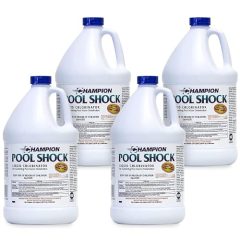 Liquid Chlorine / Sodium Hypochlorite (12.5%)
Everyday sanitizer — the B in BBB View on Amazon →
Liquid Chlorine / Sodium Hypochlorite (12.5%)
Everyday sanitizer — the B in BBB View on Amazon →
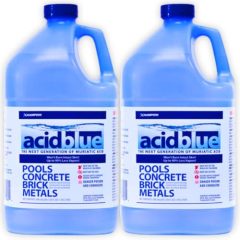 Acid Blue - Low Fume Muriatic Acid for Swimming Pools & Spas - Lower's pH, Reduces Alkalinity - 2 Gallon
View on Amazon →
Acid Blue - Low Fume Muriatic Acid for Swimming Pools & Spas - Lower's pH, Reduces Alkalinity - 2 Gallon
View on Amazon →
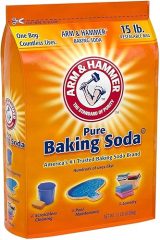 Arm & Hammer Pure Baking Soda (Alkalinity Up)
Raises Total Alkalinity cheaply View on Amazon →
Arm & Hammer Pure Baking Soda (Alkalinity Up)
Raises Total Alkalinity cheaply View on Amazon →
Still need help? Ask a Pool & Spa Expert AD
Get a personalized answer from PoolGuy810 — 30 years owning a pool and spa repair company. Describe your issue and get step-by-step help.
Related Pool Guides
Need More Help?
Try our free pool calculators and tools to help diagnose and fix your pool problems.
Browse Pool ToolsSLAM calculator, pH calculator, salt dosing & more