
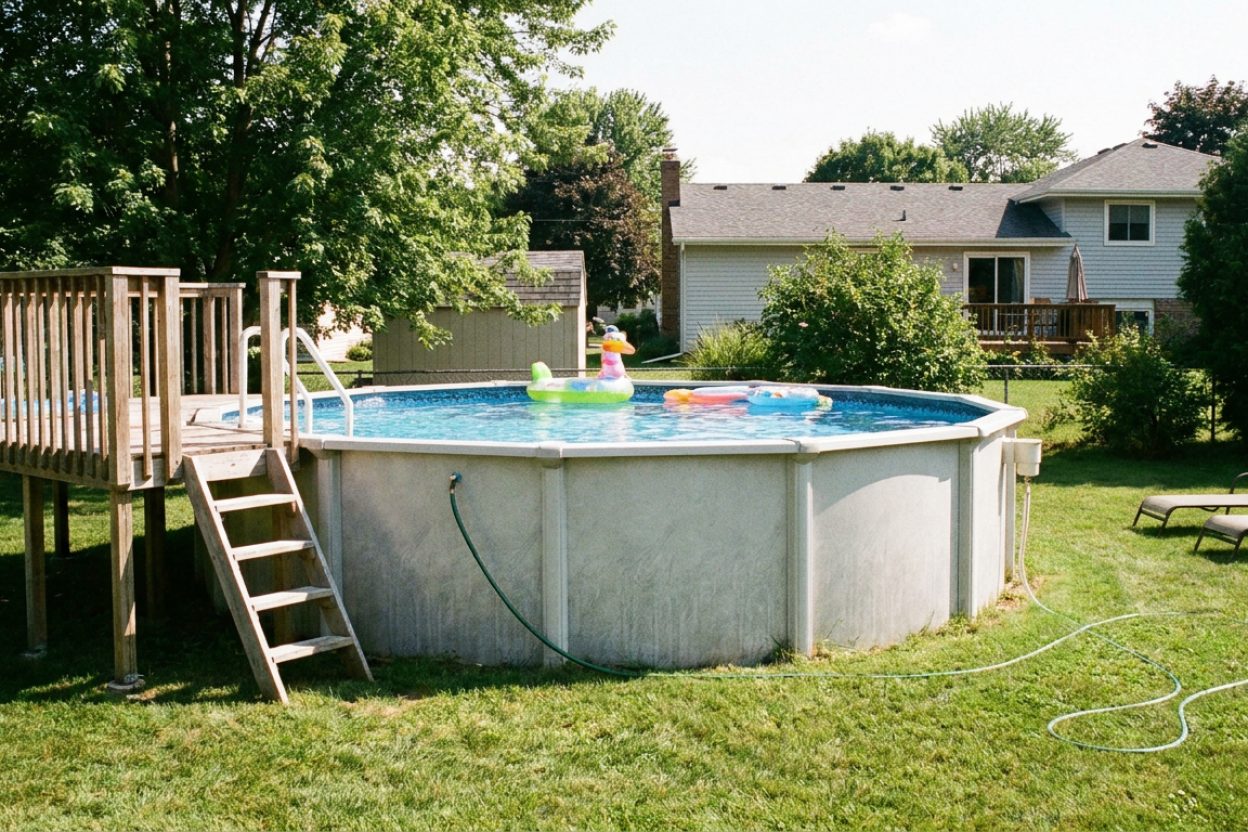
Can You Leave Above Ground Pool in Winter? Complete Guide

Is it okay to leave my above ground pool up all winter?
Read full question
The frost is creeping up the sides of my above ground pool right now and I'm staring at it wondering if I should tear this whole thing down or just leave it up all winter. I live in an area that gets pretty cold with some snow, and I'm not sure if my pool can handle it or if I'm just asking for a disaster come spring.
I've got one of those steel frame pools, not the super cheap inflatable kind. What do I need to do to winterize it properly? Or should I just bite the bullet and take it down? Really hoping someone can save me from hours of disassembly work!
Quick Answer
Yes, you can leave most above ground pools up during winter, but success depends on your climate, pool construction, and proper winterization. Soft-sided pools typically need disassembly in freezing climates.
First, Let's Diagnose Your Situation
Good news: deciding whether to winterize your above ground pool in place is totally doable yourself—no expensive contractor needed to figure out what works for your setup. Getting this wrong could mean expensive damage or complete pool replacement come spring.
Climate Assessment
If you live where temperatures consistently drop below 20°F (-6°C) for extended periods, your decision becomes more complex. Pools in zones with mild winters (temperatures rarely below 32°F) can almost always stay up safely. However, areas with severe freeze-thaw cycles present the biggest challenge - it's not just the cold, but the repeated expansion and contraction that damages equipment and structure.
Pool Construction Diagnosis
Steel wall pools with resin components handle winter much better than all-resin or soft-sided pools. Inflatable ring pools and soft-sided models typically cannot withstand freezing and should be disassembled. Hard-sided pools with proper bracing can usually survive if winterized correctly. Note that consumer "metal frame" pools (a vinyl wall held up by a slip-together steel frame, like many big-box models) behave more like soft-sided pools than rigid steel-wall pools, so follow the soft-sided guidance for those.
When Leaving Your Pool Up Makes Sense
Most above ground pools can remain installed year-round when properly winterized. Here's when this approach works best:
- You have a quality steel-wall or hybrid construction pool
- Your area experiences moderate winter temperatures (above 10°F regularly)
- The pool is less than 3 years old with no structural issues
- You have proper drainage around the pool base
- You're willing to invest in quality winterization materials
The Winterization Process
Successful winter pool storage requires specific steps. Start by balancing your water chemistry: pH between 7.2-7.6, total alkalinity 80-120 ppm, and calcium hardness 175-225 ppm. These ranges prevent corrosion and scale formation during the dormant period.
Lower your water level to 4-6 inches below the skimmer opening. This prevents freeze damage to your skimmer and allows for ice expansion. Never drain the pool completely - the water weight provides crucial structural support against soil pressure and prevents the liner from shifting or tearing.
Add winterizing chemicals including algaecide (follow manufacturer's dosing - typically 1 quart per 15,000 gallons), metal sequestrant to prevent staining, and a winter closing/shock kit (avoid leaving a chlorine floater in the pool — it can drift against the liner and bleach or damage it). Remove all equipment including ladders, pumps, and filtration systems, storing them in a dry, freeze-free location.
When Disassembly Is the Better Choice
Several situations make taking down your pool the smarter option:
- Inflatable or soft-sided pool construction
- Consistent temperatures below 10°F in your area
- Pool is over 5 years old with visible wear
- You've experienced previous winter damage
- Limited storage space for winterization equipment
- Pool has existing structural issues or leaks
Signs Your Pool Won't Survive Winter
Examine your pool for these red flags: rust spots on steel components, loose or damaged uprights, liner wrinkles or bubbles indicating base settling, or previous winter damage. Any of these issues significantly increase the risk of complete failure during freeze-thaw cycles.
Critical Winter Maintenance Solutions
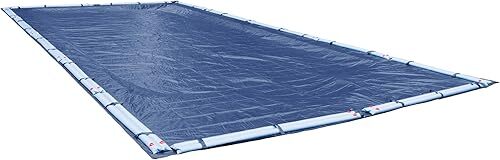
Even winterized pools need periodic attention. Check your winter cover monthly, removing excess water, snow, or debris. A cover pump (submersible models work best) prevents cover damage from accumulated precipitation.
Safety Warning: Never walk on a winter-covered pool, regardless of ice thickness. The cover and structure aren't designed to support human weight and breakthrough can be fatal.
Equipment Protection Strategy
Store your pump, filter, and heater in a heated space if possible. Freezing can crack pump housings and damage internal seals. If you store the pump and filter indoors, simply drain them fully — you don't also need antifreeze. Antifreeze is for plumbing or equipment that can't be drained and brought inside: run propylene-glycol pool antifreeze (non-toxic) through it to displace water (see manufacturer specs for the ratio for your climate). Never use automotive antifreeze, which contains toxic ethylene glycol.
Spring Startup Preparation
Document your winterization process with photos and notes. This makes spring opening much easier and helps identify any winter damage early. Keep receipts for winterization chemicals and equipment - some manufacturers honor warranties only with proper seasonal care.
Consider installing a freeze protection system if you're in a borderline climate zone. These systems automatically circulate water when temperatures approach freezing, preventing ice formation that damages equipment and structure.
Cost-Benefit Analysis
Quality winterization costs $150-300 but protects a $1,000-5,000 investment. Compare this to disassembly/reassembly labor (8-12 hours typically) and the risk of damage during teardown. Most pool owners find winterization more cost-effective and convenient than annual disassembly.
The key to success is honest assessment of your situation and commitment to proper winterization procedures. When done correctly, leaving your above ground pool up for winter protects your investment and makes spring swimming season startup much faster and easier.
For the full breakdown of safe chlorine levels by CYACyanuric Acid (stabilizer) — Sunscreen for your chlorine — it keeps sunlight from burning it off. The catch: the more you have, the more chlorine you need to keep. learn more → level, see our pool water chemistry guide.

Still need help? Ask a Pool & Spa Expert AD
Get a personalized answer from PoolGuy810 — 30 years owning a pool and spa repair company. Describe your issue and get step-by-step help.
Related Pool Guides
Need More Help?
Try our free pool calculators and tools to help diagnose and fix your pool problems.
Browse Pool ToolsSLAM calculator, pH calculator, salt dosing & more