

How to Vacuum a Pool: Complete Step-by-Step Guide

What's the right way to vacuum a pool? Mine still looks awful!
Read full question
My pool guy mentioned that I might not be vacuuming properly, and honestly, I'm starting to think he's right. I've been just dragging this vacuum head around randomly and it doesn't seem to be picking up much debris.
Can someone walk me through the actual proper technique for vacuuming? Like how do you set everything up, get it working right, and make sure you're actually cleaning effectively? I'm willing to put in the work if someone can just tell me the correct way to do this!
Quick Answer
Pool vacuuming involves connecting a vacuum head to a telescopic pole and hose, priming the system underwater, then systematically cleaning the pool bottom in overlapping strokes while maintaining proper suction.
Essential Equipment for Pool Vacuuming
Before starting, ensure you have the proper equipment. A complete manual vacuum setup includes a vacuum head (weighted brush or wheeled model), telescopic pole, vacuum hose long enough to reach all areas of your pool, and either a skimmer vacuum plate or access to a dedicated vacuum port.
For pools with heavy debris, choose a weighted vacuum head with side brushes. For routine maintenance, a lightweight wheeled head works efficiently on smooth surfaces. The hose diameter should match your system - typically 1.25 or 1.5 inches for residential pools.
Setting Up Your Vacuum System
Connecting the Equipment
- Turn off any automatic pool cleaner if present to avoid equipment conflicts
- Turn off pool heater to prevent damage from reduced water flow
- Attach the vacuum head securely to the telescopic pole, ensuring the connection is tight to prevent disconnection during use
- Connect one end of the vacuum hose to the vacuum head fitting
- Before connecting to the skimmer, you must prime the hose to remove all air
Priming the Vacuum Hose
This critical step prevents air from entering your pump system:
- Hold the free end of the hose and place the vacuum head in the pool
- Slowly feed the entire length of hose into the pool, allowing water to fill it completely
- Water should flow out the free end when properly primed
- Keep the end submerged and quickly move it to the skimmer or vacuum port
- If using a skimmer, place the vacuum plate over the basket and insert the hose
Proper Vacuuming Technique
Effective pool vacuuming requires systematic approach and proper technique. Start at the shallow end and work toward the deep end, allowing debris to flow toward areas with better suction.
Movement Patterns
Use slow, deliberate movements - rushing will stir up debris and reduce suction efficiency. Create overlapping strokes covering the entire pool bottom, similar to mowing a lawn. For best results, move the vacuum head approximately 6 inches every 6-10 seconds.
When encountering heavy debris accumulation, use a slight lifting motion to help debris enter the vacuum head. For algae or fine particles, make multiple passes over the same area.
Managing Suction and Flow
Monitor your skimmer basket and pump basket throughout the process. Excessive debris can reduce suction and strain your pump. If suction decreases noticeably, stop and clean the baskets before continuing.
For pools with significant debris, consider using the "waste" setting on multiport valves if available. This bypasses the filter, preventing clogging, but requires adding fresh water to replace what's lost.
Different Vacuum System Types
Manual Vacuum Systems
Manual vacuuming provides the most control and thoroughness. While time-consuming, it allows you to focus on problem areas and ensure complete coverage. Most effective for weekly maintenance and spot cleaning.
Automatic Pool Cleaners
Suction-side cleaners attach to your skimmer or dedicated vacuum line and move randomly around the pool. Pressure-side cleaners use return water pressure and often include debris bags. Robotic cleaners operate independently with their own motors and filtration systems, not using the pool's filtration system.
While automatic cleaners handle routine maintenance, manual vacuuming remains necessary for thorough cleaning and problem areas.
Troubleshooting Common Issues
Loss of Suction
If suction decreases during vacuuming, check for air leaks in hose connections, clogged skimmer or pump baskets, or a dirty filter. Air bubbles returning to the pool indicate air entering the system.
Debris Not Picking Up
Insufficient suction, moving too quickly, or a clogged vacuum head can prevent effective debris removal. Ensure proper water level in the skimmer and clean all baskets and filters.
Cloudy Water After Vacuuming
Stirring up fine particles is normal. Run your filter continuously until water clears, typically 6-12 hours. Consider using a clarifier if cloudiness persists.
Post-Vacuuming Maintenance
After completing vacuuming, clean the skimmer and pump baskets, backwash or clean your filter if necessary, and test water chemistry. Vacuuming can affect circulation and may require filter maintenance.
Store vacuum equipment properly - drain hoses completely and store in shade to prevent UV damage. Regular equipment maintenance ensures reliable performance and extends equipment life.
Frequency and Timing
Vacuum weekly during swimming season, or more frequently if heavy debris accumulation occurs. Best results come from vacuuming when the pool has been undisturbed for several hours, allowing debris to settle.
Safety Note: Never vacuum with swimmers in the pool, and ensure all electrical connections for automatic cleaners are properly protected with GFCI devices.
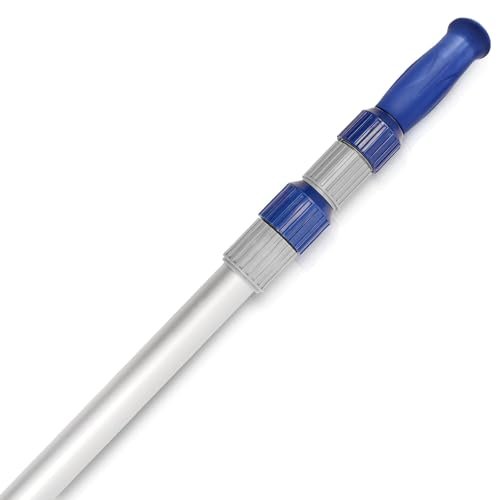 Poolvio 15 ft Telescopic Pool Pole (3-Piece Aluminum)
Telescoping pole that fits brushes, skimmer nets, and vacuum heads. View on Amazon →
Poolvio 15 ft Telescopic Pool Pole (3-Piece Aluminum)
Telescoping pole that fits brushes, skimmer nets, and vacuum heads. View on Amazon →
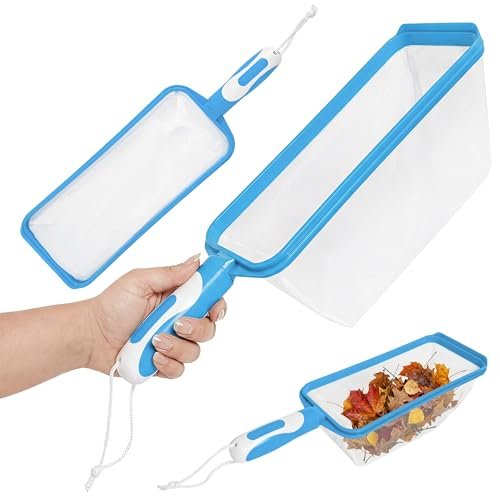 The Skimmie Handheld Pool Skimmer Net
Grab-and-go hand skimmer for leaves and debris off the surface. View on Amazon →
The Skimmie Handheld Pool Skimmer Net
Grab-and-go hand skimmer for leaves and debris off the surface. View on Amazon →
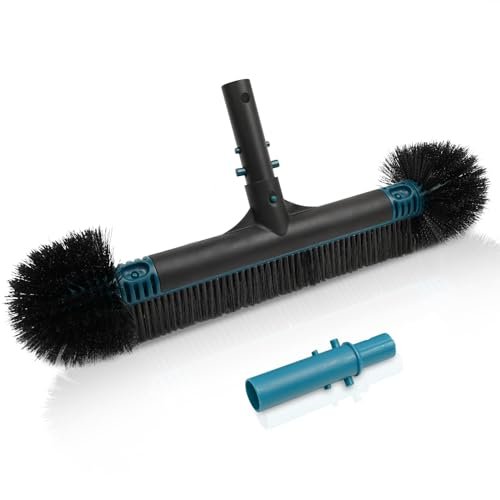 Poolvio 20" 2-in-1 Pool Brush Head (Walls & Floor)
Sturdy 20-inch brush head that clips onto any standard telescopic pole. View on Amazon →
Poolvio 20" 2-in-1 Pool Brush Head (Walls & Floor)
Sturdy 20-inch brush head that clips onto any standard telescopic pole. View on Amazon →
Still need help? Ask a Pool & Spa Expert AD
Get a personalized answer from PoolGuy810 — 30 years owning a pool and spa repair company. Describe your issue and get step-by-step help.
Need More Help?
Try our free pool calculators and tools to help diagnose and fix your pool problems.
Browse Pool ToolsSLAM calculator, pH calculator, salt dosing & more