
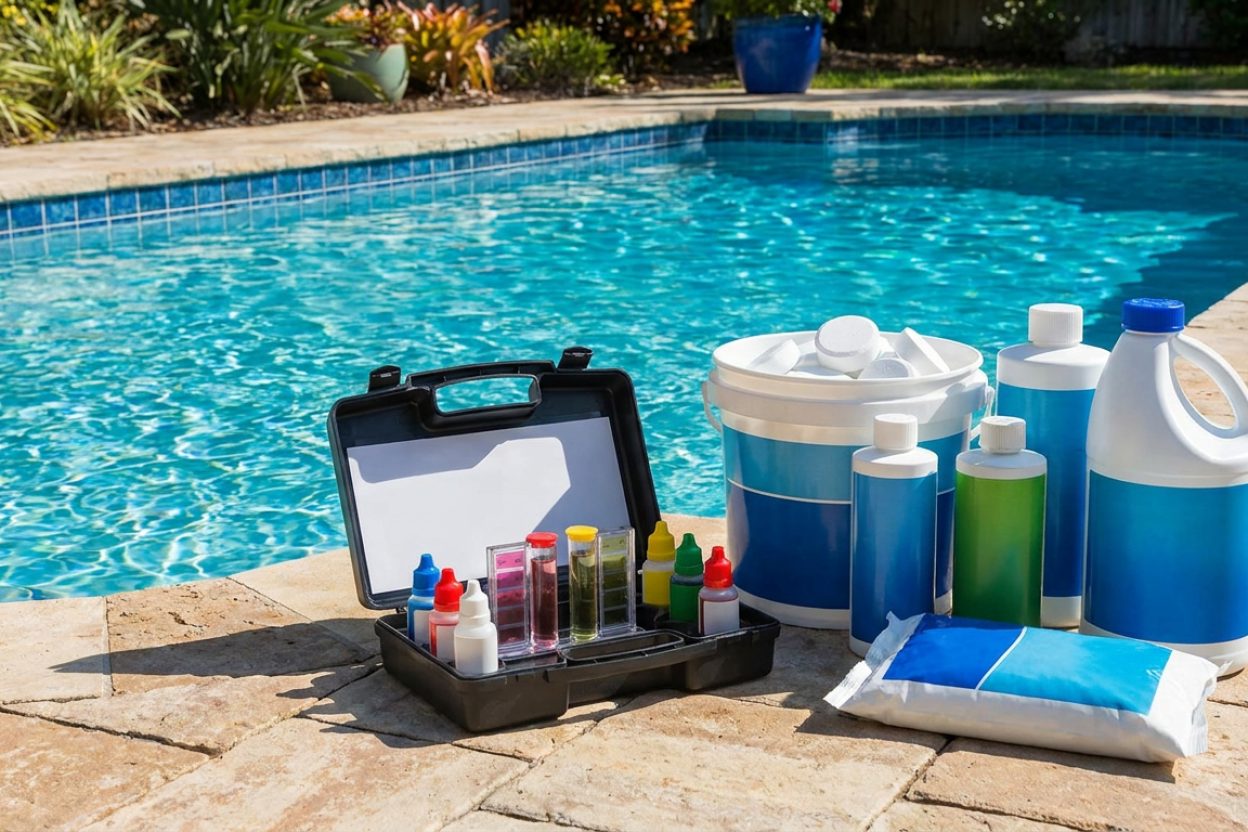
How to Shock a Pool: Complete Step-by-Step Guide

Need help shocking my pool - what's the proper process?
Read full question
Pulled my test strips this morning showing 0.5 ppm after shocking last night, but every guide says it should be reading at least 10-12 ppm. I've tried dumping some shock granules in a few times but the water still doesn't look great and I'm worried I might be wasting chemicals or even making things worse. What's the actual step-by-step process for shocking a pool properly? When should I be doing this and how much should I use? I have a 20,000 gallon inground pool if that matters.
Quick Answer
Shock only when you need to — when free chlorine won't hold overnight, combined chlorine is above 0.5 ppm, after storms or heavy use, or you see algae or cloudy water. Raise free chlorine to the shock level for your CYA (about 40% of your CYA), add it at night, and keep the pump running. A well-maintained pool rarely needs routine shocking. Use our all-in-one pool calculator to estimate the dose.
What Pool Shocking Actually Does
Left unchecked, combined chlorine and organic buildup can leave your water murky and dull — more than routine chlorination alone keeps up with. While regular chlorination handles day-to-day sanitizing, shocking delivers a concentrated dose that breaks down built-up contaminants like body oils, sunscreen, and organic matter that can make your water cloudy or cause that "chlorine smell" (which is actually a sign you need more chlorine, not less).
The process essentially burns through combined chlorine compounds and restores your pool's ability to sanitize effectively. I'd recommend thinking of it as hitting the reset button on your water chemistry.
If your free chlorine keeps crashing overnight — dropping from shock level back toward zero by morning — and the water stays cloudy no matter how much you re-dose, that's the signature of an active algae bloom or heavy organic demand. A single shock won't fix that. You need the SLAM process: hold your CYACyanuric Acid (stabilizer) — Sunscreen for your chlorine — it keeps sunlight from burning it off. The catch: the more you have, the more chlorine you need to keep. learn more →-based shock level and re-dose repeatedly until free chlorine finally holds overnight, combined chlorine reads 0.5 ppm or less, and the water is clear.
Timing Your Shock Treatment
You'll want to shock your pool in the evening or at night - never during sunny daylight hours. Here's why: the sun's UV rays break down chlorine quickly, so adding shock during the day wastes most of your chemicals before they can do their job. Late evening gives the chlorine all night to work without UV interference.
As for frequency, you generally only need to shock when there's a problem — free chlorine won't hold overnight, combined chlorine climbs above 0.5 ppm, after heavy use (like a pool party) or rainstorms, or whenever you notice algae, cloudy water, or that distinctive "pool smell."
Calculating the Right Amount
This is where many pool owners go wrong - guessing at quantities. The amount of shock you need depends on your pool size and current free chlorine level. For routine weekly shocking, you'll typically want to raise your free chlorine to the shock level for your CYA (about 40% of your CYA), though exact targets may vary based on your specific pool type and local guidelines.
I'd strongly suggest using our chlorine dosing calculator to get a good estimate of the amount for your pool. You'll need to know your pool's volume and test your current chlorine level first. If you're not sure about your pool's volume, the pool volume calculator can help with that too.
The Shocking Process Step by Step
Start by testing your water chemistry, particularly your free chlorine level. You'll need this baseline to calculate your shock dose. Make sure your pool's circulation system is running - you want that water moving to distribute the chemicals evenly.
Never add shock directly to your pool. Instead, fill a clean bucket with pool water (never use your household bucket that might have soap residue). Slowly add the shock granules to the water while stirring with a plastic or wooden tool. Always add chemicals to water, never water to chemicals - this prevents dangerous reactions.
Once the granules are completely dissolved, walk around your pool and slowly pour the solution around the perimeter. This helps distribute it evenly rather than creating one concentrated spot that could potentially bleach your liner or plaster.
Safety Considerations You Can't Skip
Wear safety goggles and gloves when handling pool shock - this stuff is highly concentrated and can cause chemical burns. Work upwind so you're not breathing in any chlorine gas that might develop. Keep pets and children away from the area while you're working.
Store your shock chemicals in a cool, dry place away from other chemicals. Never mix different types of pool chemicals together, and don't smoke or use any open flames around chlorine products.
What to Expect After Shocking
Your pool water might look a bit hazy immediately after shocking - that's normal. The circulation system will clear this up within a few hours. Don't swim until the free chlorine level drops back to safe swimming levels (free chlorine under 10 ppm, the water clear enough to see the bottom, and pH and alkalinity balanced), which usually takes 8-12 hours depending on your pool size and circulation.
Test your water the next day to confirm your free chlorine is back in the safe swimming range. If you're dealing with persistent algae or very cloudy water, you might need to consider the more intensive SLAM method rather than just routine shocking.
Common Shocking Mistakes
The biggest mistake I see is people shocking during the day and wondering why it didn't work. The second most common error is not dissolving the shock completely before adding it to the pool, which can cause staining or bleaching.
Some pool owners also make the mistake of shocking too frequently. More isn't always better - over-shocking can actually cause problems with your water balance and waste money on unnecessary chemicals.
For the full breakdown of safe chlorine levels by CYA level, see our pool water chemistry guide.
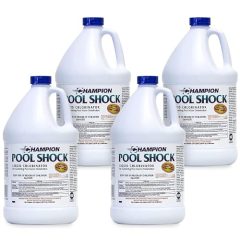 Liquid Chlorine / Sodium Hypochlorite (12.5%)
Everyday sanitizer — the B in BBB View on Amazon →
Liquid Chlorine / Sodium Hypochlorite (12.5%)
Everyday sanitizer — the B in BBB View on Amazon →
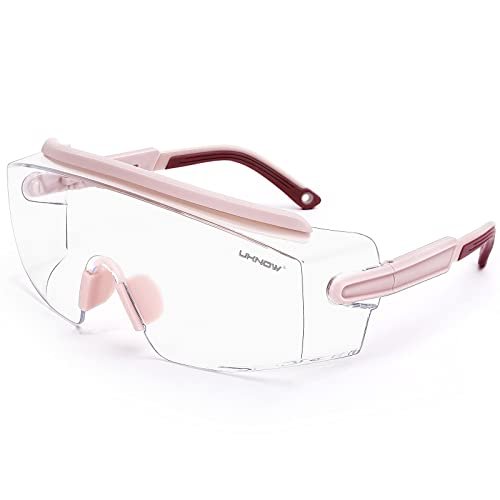 UKNOW Anti-Fog Chemical Splash Safety Goggles
Sealed splash goggles for handling muriatic acid and chlorine. View on Amazon →
UKNOW Anti-Fog Chemical Splash Safety Goggles
Sealed splash goggles for handling muriatic acid and chlorine. View on Amazon →
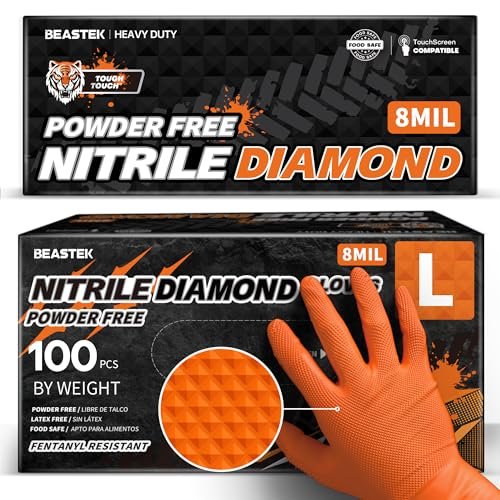 Beastek 8-mil Chemical-Resistant Nitrile Gloves
Disposable nitrile gloves for safe handling of pool chemicals. View on Amazon →
Beastek 8-mil Chemical-Resistant Nitrile Gloves
Disposable nitrile gloves for safe handling of pool chemicals. View on Amazon →
 Taylor K-2006C Complete FAS-DPD Pool & Spa Test Kit
The FAS-DPD kit pool pros trust — reads chlorine accurately even at shock/SLAM levels, plus pH, alkalinity, calcium hardness and CYA. View on Amazon →
Taylor K-2006C Complete FAS-DPD Pool & Spa Test Kit
The FAS-DPD kit pool pros trust — reads chlorine accurately even at shock/SLAM levels, plus pH, alkalinity, calcium hardness and CYA. View on Amazon →
Still need help? Ask a Pool & Spa Expert AD
Get a personalized answer from PoolGuy810 — 30 years owning a pool and spa repair company. Describe your issue and get step-by-step help.
Related Pool Guides
Need More Help?
Try our free pool calculators and tools to help diagnose and fix your pool problems.
Browse Pool ToolsSLAM calculator, pH calculator, salt dosing & more