
How Pool Skimmers Work: Complete Guide to Pool Circulation

Understanding how my pool's skimmer system actually works?
Read full question
About to drop serious cash on a new skimmer system for my 20,000 gallon inground pool, but I'm clueless about how these things actually work — am I getting ripped off? Sometimes I see leaves and oils getting pulled in, and there's a basket that I empty, but I'd love a complete explanation of what's happening from start to finish. Does the skimmer work differently depending on pump speed or water level?
Quick Answer
Pool skimmers work by creating suction at the water surface through your pump system, pulling floating debris, oils, and contaminants into a removable basket before water flows to your filter.
The Complete Skimmer Operation Process
Understanding your skimmer's operation helps you maintain better water quality and catch problems early. Here's exactly how the system works from start to finish:
Water Flow and Suction Creation
Your skimmer connects directly to your pool pump through underground plumbing lines. When the pump turns on, it creates negative pressure (suction) that draws water from multiple sources - commonly biased toward the skimmer — often somewhere between 70/30 and 90/10 skimmer/main drain. This suction pulls water into the skimmer throat, creating a gentle current across the pool surface.
The skimmer opening sits at the perfect water level to capture the top inch of water where most contaminants float. Leaves, insects, sunscreen, body oils, and other debris get swept into the skimmer before they can sink or spread throughout your pool.
Debris Collection and Filtration
Inside your skimmer housing sits a removable plastic basket that acts as the first line of defense. This basket catches larger debris like leaves, twigs, and insects before they can reach your pump or filter. The basket's mesh design allows water to flow through while trapping solids.
After passing through the skimmer basket, water flows through the skimmer's suction line to your pump. From there, it gets pushed through your filter system - whether sand, cartridge, or DE (diatomaceous earth) - which removes smaller particles and contaminants.
Critical Components and Their Functions
Skimmer Weir Door
The floating weir door (that plastic flap you see moving) serves multiple purposes. It maintains proper water flow by adjusting to slight water level changes, prevents debris from floating back into the pool when the pump shuts off, and helps direct surface water into the skimmer throat. If your weir door is missing or stuck, you'll notice reduced skimming efficiency.
Skimmer Basket
Your skimmer basket should be emptied every 2-3 days, or more during heavy debris seasons. A clogged basket reduces water flow, making your pump work harder and reducing filtration efficiency. This can lead to cloudy water, algae growth, and potential pump damage from running dry.
Water Level Management
Proper water level is crucial for skimmer operation. Water should reach the middle of your skimmer opening - about 1/3 to 1/2 way up the skimmer mouth. Too low, and you'll get poor surface skimming plus potential pump damage from air entering the system. Too high, and debris flows over the weir door without being captured.
Pump speed also affects skimming. Higher flow creates a stronger surface pull and lets the skimmer work over a slightly wider water-level range, while on a variable-speed pump very low RPM can produce weak or insufficient skimming. If the surface isn't clearing, try running a higher speed during the daytime skim cycle.
Circulation Patterns and Pool Chemistry
Effective skimmer operation directly impacts your pool chemistry management. Surface skimming removes organic contaminants that consume chlorine, oils that can cause scum lines, and debris that decomposes and creates chloramine formation.
Your skimmer placement creates circulation patterns that help distribute chemicals evenly. Most pools have skimmers positioned opposite the return jets, creating a flow pattern that moves water across the entire pool surface. This circulation prevents dead spots where algae can develop and ensures proper chemical mixing.
Important: Always add liquid chlorine or other chemicals near return jets, not directly into skimmers, to prevent equipment damage and ensure proper distribution.
Maintenance for Optimal Performance
Regular Cleaning Schedule
Empty skimmer baskets every 2-3 days during normal use, daily during heavy leaf seasons. Rinse baskets thoroughly to remove oils and fine debris that can restrict water flow. Check the basket condition monthly - cracked or warped baskets should be replaced immediately.
Seasonal Considerations
During fall leaf season, you might need to empty baskets daily or even twice daily. Consider using a leaf trap or skimmer socks for extra protection during heavy debris periods. In freezing weather, running the pump to keep water circulating helps prevent freeze damage; note that in hard-freeze climates pools are typically winterized by lowering the water below the skimmer and plugging it, since water freezing inside the skimmer can crack it.
Troubleshooting Poor Skimming
If you notice reduced skimming action, check these items in order: clogged skimmer basket, stuck weir door, improper water level, clogged pump basket, dirty filter, or air leaks in the suction lines. Most skimming problems stem from restricted water flow somewhere in the system.
Remember that your skimmer works as part of your complete circulation system. Proper pump operation, clean filters, and balanced water chemistry all contribute to effective skimming and overall pool health.
If you're weighing a new skimmer system, know what you're paying for: the skimmer body itself is a modest part, but most of the cost is labor — especially on a concrete or gunite pool, where the deck or surrounding surface may have to be opened up and patched. For a cracked or leaking skimmer that's often money well spent; for merely weak skimming, rule out the cheap fixes above (basket, weir door, water level, pump speed) before paying to replace hardware.
 50 ft Flexible Metal Garden Hose (Kink-Free)
Durable hose for filling, priming, and rinsing equipment. View on Amazon →
50 ft Flexible Metal Garden Hose (Kink-Free)
Durable hose for filling, priming, and rinsing equipment. View on Amazon →
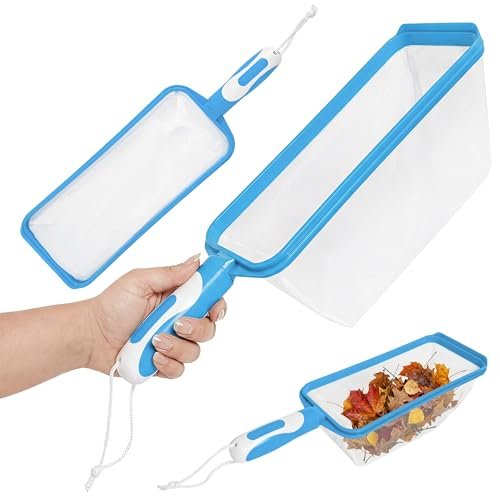 The Skimmie Handheld Pool Skimmer Net
Grab-and-go hand skimmer for leaves and debris off the surface. View on Amazon →
The Skimmie Handheld Pool Skimmer Net
Grab-and-go hand skimmer for leaves and debris off the surface. View on Amazon →
Still need help? Ask a Pool & Spa Expert AD
Get a personalized answer from PoolGuy810 — 30 years owning a pool and spa repair company. Describe your issue and get step-by-step help.
Need More Help?
Try our free pool calculators and tools to help diagnose and fix your pool problems.
Browse Pool ToolsSLAM calculator, pH calculator, salt dosing & more