
How Pool Algaecide Works: Complete Chemistry Guide 2026

What's the science behind how algaecides work in pools?
Read full question
I replaced three different algaecides in two months, my 20,000-gallon pool still gets green spots weekly, AND my perfect chlorine levels aren't preventing anything. I've tried copper-based and polyquat algaecides, but I'm curious about the actual chemistry behind how these products work to kill algae.
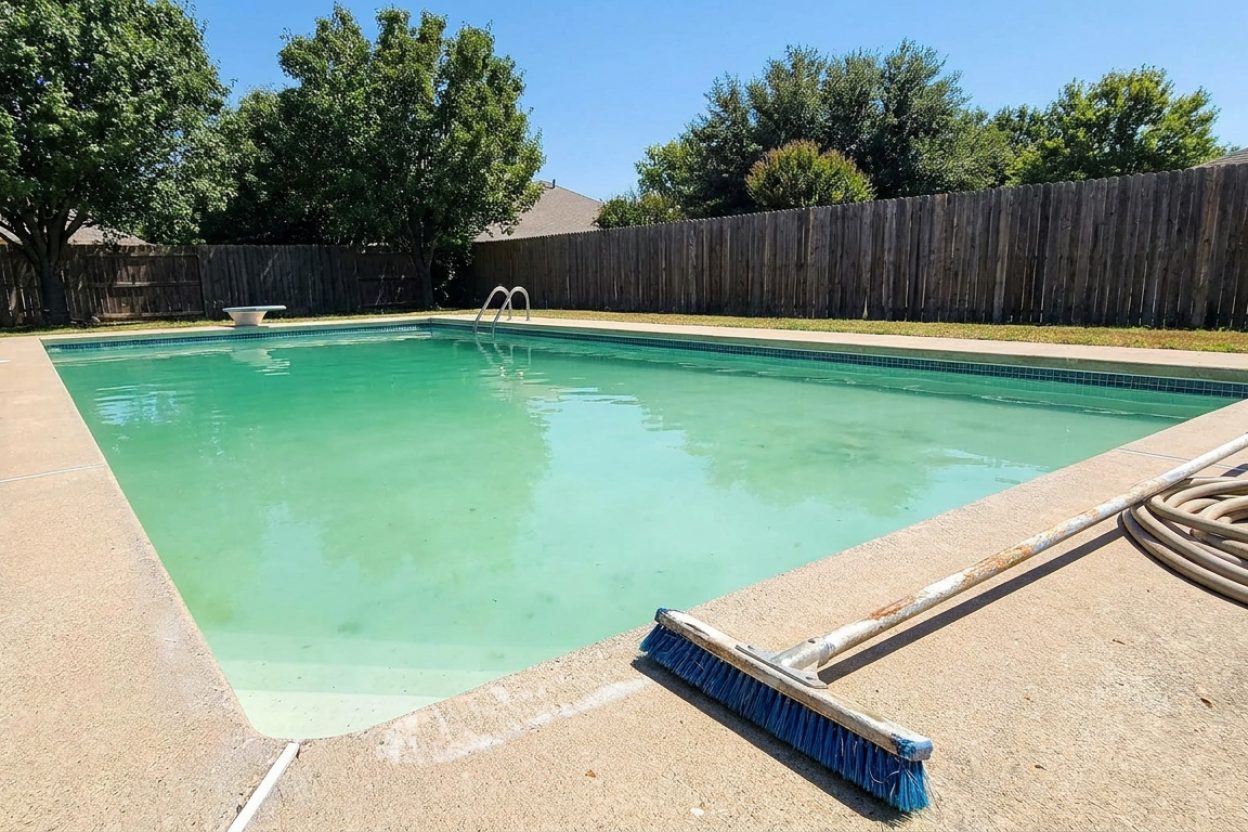
My current chlorine levels are around 2-3 ppm and pH is 7.4, but I still get green spots forming on the walls every few weeks. The pool guy says algaecides work differently than chlorine, but he couldn't explain exactly how. I'd love to understand the science behind what's happening at the cellular level when algaecide contacts algae, and whether I should be relying more on higher chlorine levels or these specialty chemicals for prevention and treatment.
Quick Answer
Pool algaecides work by disrupting algae cell membranes and metabolic processes to kill and prevent algae growth. However, proper chlorine levels are more effective for treating existing algae problems than algaecides alone.
Understanding How Pool Algaecides Work
First question: when did you notice that slimy green film creeping across your pool walls? That timing matters - but probably not the way you'd expect, because if the algae's already established, the fix isn't algaecide at all. They work through different mechanisms depending on their chemical composition, but all aim to disrupt algae's ability to survive and reproduce in your pool water. Understanding how these products work will help you use them more effectively and know when they're actually needed.
Types of Algaecides and Their Mechanisms
Quaternary Ammonium Compounds (Quats)
The most common pool algaecides contain quaternary ammonium compounds, which work by disrupting the cell membranes of algae. These positively charged molecules are attracted to the negatively charged algae cells, where they bind to the cell membrane and cause it to rupture. This process kills the algae and releases its contents into the water, which is why you might notice cloudiness after adding quat-based algaecides.
Quat algaecides are effective against most common pool algae types including green algae and some yellow algae strains. However, they can cause foaming if overdosed and may interfere with chlorine effectiveness temporarily.
Copper-Based Algaecides
Copper sulfate and copper complexes work differently by interfering with algae's metabolic processes. Copper ions disrupt photosynthesis and enzyme function within algae cells, effectively starving them of energy. These algaecides are particularly effective against stubborn black algae and persistent yellow algae that resist other treatments.
The downside of copper-based algaecides is the risk of copper staining. Copper stays dissolved in acidic water, but as pH rises it can drop out of solution and stain surfaces (the familiar teal or black marks). Low pH carries its own problem - it's corrosive and can pull copper out of your heater and equipment into the water in the first place. Test your water chemistry before using copper algaecides and keep pH in the 7.2-7.8 range.
Polyquat Algaecides
Polymeric quaternary ammonium compounds represent the premium category of algaecides. They work similarly to regular quats but with longer-lasting effectiveness and reduced foaming potential. Polyquats also act as a mild clarifier, clumping suspended algae so the filter can remove it, and they resist chlorine breakdown longer than linear quats, giving longer-lasting prevention.
The Science Behind Algae Prevention vs. Treatment
It's crucial to understand that algaecides work best as preventive measures rather than primary treatments for active algae blooms. When algae is already established in your pool, the most effective approach is the SLAMShock Level And Maintain — raise free chlorine to a target based on your CYA and hold it there until the algae is gone. It's a process, not a one-time dose. the SLAM walkthrough → method (Shock Level And Maintain) using liquid chlorine.
During an active algae bloom, chlorine demand is extremely high because the algae consume available chlorine as fast as you add it. Algaecides can help weaken the algae, but only sustained high chlorine levels will effectively kill large algae populations and oxidize the organic waste they produce.
Proper Application and Timing
Weekly Maintenance Dosing
For prevention, add algaecide weekly at the manufacturer's recommended maintenance dose. Add the algaecide with the pump running and circulate for about 24 hours to ensure even distribution; note that chlorine slowly oxidizes algaecide, so it has to be replenished over time.
Shock Treatment Application
When you have visible algae, don't rely on algaecide to clear it - chlorine does the killing through a SLAM. Save any algaecide for prevention after the water is clear. Begin chlorine shock treatment (SLAM) immediately and hold chlorine at shock level until the water clears — that is what kills the bloom. Don’t add algaecide during this process; quat algaecides actually reduce chlorine’s effectiveness for a day or two. Save the algaecide for afterward, as a preventative once your chlorine is back to normal. Test your free chlorine levels every 2-3 hours (or as often as you can) and maintain them at shock level based on your CYACyanuric Acid (stabilizer) — Sunscreen for your chlorine — it keeps sunlight from burning it off. The catch: the more you have, the more chlorine you need to keep. learn more → (stabilizer) levels. To estimate the shock level, use our all-in-one pool calculator.
Chemical Interactions and Compatibility
Algaecides can interact with other pool chemicals, affecting their performance. Quat-based algaecides may temporarily reduce chlorine effectiveness for 24-48 hours after application. This is normal but means you might need to add more chlorine to maintain proper sanitizer levels.
Never mix algaecides with other chemicals. Add them separately with at least 30 minutes between different chemical additions. Pour algaecide slowly around the pool perimeter with the pump running for even distribution.
Limitations and Realistic Expectations
While algaecides are valuable tools in pool maintenance, they have important limitations. They cannot fix underlying water balance issues that allow algae to flourish, such as low chlorine levels, high pH, or excessive organic contamination. If your pool regularly develops algae despite algaecide use, focus on maintaining proper chlorine levels (typically 4-8 ppm for a stabilized outdoor pool, scaled to your CYA) and balanced pH (7.2-7.8).
Note that high stabilizer (CYA) above ~80 ppm compromises your chlorine's efficiency, making algae harder to prevent overall; in that case, partially draining and refilling to lower CYA is often the real fix before any algaecide can do its job.
Cost-Effectiveness and Alternatives
Quality algaecides range from $15-60 per bottle depending on type and concentration. While this seems expensive, proper use of algaecides as preventive measures can save money compared to dealing with major algae blooms requiring large amounts of shock and potential professional treatment.
However, the most cost-effective algae prevention remains consistent chlorination and proper water balance. A reliable test kit like the Taylor K-2006 and regular testing will do more to prevent algae than any algaecide alone.
For the full breakdown of safe chlorine levels by CYA level, see our pool water chemistry guide.
 Taylor K-2006C Complete FAS-DPD Pool & Spa Test Kit
The FAS-DPD kit pool pros trust — reads chlorine accurately even at shock/SLAM levels, plus pH, alkalinity, calcium hardness and CYA. View on Amazon →
Taylor K-2006C Complete FAS-DPD Pool & Spa Test Kit
The FAS-DPD kit pool pros trust — reads chlorine accurately even at shock/SLAM levels, plus pH, alkalinity, calcium hardness and CYA. View on Amazon →
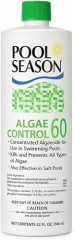 PolyQuat 60 Algaecide (Non-Foaming)
Non-foaming, copper-free backup View on Amazon →
PolyQuat 60 Algaecide (Non-Foaming)
Non-foaming, copper-free backup View on Amazon →
Still need help? Ask a Pool & Spa Expert AD
Get a personalized answer from PoolGuy810 — 30 years owning a pool and spa repair company. Describe your issue and get step-by-step help.
Related Pool Guides
Need More Help?
Try our free pool calculators and tools to help diagnose and fix your pool problems.
Browse Pool ToolsSLAM calculator, pH calculator, salt dosing & more