

Does My Pool Need Phosphate Remover? Complete Guide 2026

When is phosphate remover actually necessary for pool maintenance?
Read full question
I tried everything to prevent algae blooms, but my pool only gets green when temperatures hit 85°F or higher—my pool store insists phosphate remover is the solution.
My pool currently has balanced pH and alkalinity, and I maintain chlorine at recommended levels. I'm wondering if phosphate removal should be a regular part of my maintenance routine, or if there are specific conditions where it becomes necessary. What's the technical perspective on when phosphate removers actually provide measurable benefits versus when they're just an additional expense?
Quick Answer
Most pools don't need phosphate remover if you maintain proper chlorine levels. Only consider phosphate removal if you have persistent algae problems despite balanced water chemistry and proper sanitizer levels.
Step-by-Step Assessment Process
- Test your current water chemistry first - Use a quality test kit like the Taylor K-2006C to measure free chlorine (FCFree Chlorine — The chlorine actively sanitizing your water right now. This is the number you keep an eye on. how much you need →), combined chlorine (CCCombined Chlorine — "Used-up" chlorine left over from doing its job. Above about 0.5 ppm is the classic sign water needs a shock. learn more →), pH, total alkalinity (TATotal Alkalinity — The buffer that keeps your pH from bouncing around. Get this in range and pH gets a lot easier to manage. learn more →), and cyanuric acid (CYACyanuric Acid (stabilizer) — Sunscreen for your chlorine — it keeps sunlight from burning it off. The catch: the more you have, the more chlorine you need to keep. learn more →). Record all readings before considering phosphate testing.
- Evaluate your chlorine maintenance - Check if you're maintaining proper FC levels based on your CYA reading. For CYA of 30-50ppm, maintain FC at 4-6ppm. For salt water pools with CYA of 70-80ppm, maintain FC at 6-8ppm minimum.
- Review your recent algae history - If you haven't had algae problems in the past 6 months and maintain consistent chlorine levels, phosphate removal is unnecessary. Phosphates don't cause algae - inadequate sanitizer does.
- Test phosphate levels only if indicated - Use a phosphate test kit or take a water sample to your pool store. Phosphate levels above 500ppb may contribute to algae persistence, but this is only relevant if you're already struggling with algae despite proper chlorination.
- Consider your pool environment - Pools surrounded by heavy vegetation, those receiving frequent rain, or pools with high bather loads may accumulate phosphates faster. However, this still doesn't necessitate removal if chlorine levels are adequate.
- Evaluate recent chemical additions - Some pool chemicals — particularly phosphonate-based (metal-sequestering) algaecides and certain stain/scale products — can introduce phosphates; standard chlorine shocks generally do not. If you've used these products and notice algae persistence, phosphate testing becomes more relevant.
When Phosphate Removal Makes Sense
Persistent Algae Despite Proper Chemistry
If you're maintaining correct FC/CYAFC/CYA chart — The chart that sets your chlorine target from your stabilizer (CYA) level — the two go together. see the chart → ratios, pH between 7.4-7.6, and still experiencing recurring algae blooms, phosphate levels above 500-1000ppb might be contributing. In this scenario, phosphate removal can help break the cycle.
Pools with Heavy Organic Loading
Pools surrounded by trees, receiving frequent fertilizer runoff, or with high organic debris loads may benefit from occasional phosphate removal. These environments continuously introduce phosphates, creating conditions where algae can establish quickly during chlorine lapses.
Reducing Chlorine Demand
High phosphate levels can increase chlorine consumption slightly. If you're struggling to maintain chlorine levels and phosphates test above 1000ppb, removal might help reduce overall chemical costs.
How to Use Phosphate Remover Properly
- Choose the right product - Lanthanum-based phosphate removers like Natural Chemistry PHOSfree or Orenda PR-10000 are most effective. Avoid products claiming to be "weekly maintenance" - these are typically overpriced.
- Calculate proper dosage - Dosage varies significantly by product concentration - always follow specific manufacturer instructions. Test phosphates first to determine exact dosage needed rather than guessing.
- Pre-treatment preparation - Ensure pH is between 7.2-7.6 and free chlorine is at normal levels (not shock level). Clean your filter immediately before treatment.
- Add remover with pump running - Pour the product around the pool perimeter with circulation running. Don't add other chemicals - wait time varies by product, so follow manufacturer specifications (typically 8-48 hours).
- Expect cloudy water temporarily - The lanthanum forms a precipitate with phosphates, creating temporary cloudiness. This is normal and indicates the product is working.
- Run filter continuously - Keep your filter running 24/7 for 2-3 days after treatment. The precipitate must be filtered out completely.
- Clean or backwash filter - Clean cartridge filters or backwash sand/DE filters once water clears. The phosphate precipitate will clog filter media.
- Retest phosphates after one week - Verify phosphate levels dropped below 100ppb. If not, you may need additional treatment or have an ongoing phosphate source.
Alternatives to Chemical Phosphate Removal
Maintain Proper Sanitizer Levels
The most effective "phosphate control" is consistent chlorine maintenance. Algae cannot grow regardless of phosphate levels if FC is maintained at proper levels for your CYA reading.
If your pool only turns green in hot weather, that's a chlorine-demand problem, not a phosphate problem: warm water grows algae faster and consumes FC faster, so an FC level that holds in spring becomes too low at 85°F and above. Raise your FC target and/or dose more frequently during peak summer before reaching for a phosphate remover.
Regular Brushing and Vacuuming
Physical removal of organic debris prevents decomposition that releases phosphates. Brush weekly and vacuum to waste when dealing with algae. (This needs a sand or DE filter with a multiport "waste" valve — cartridge filters have no waste setting, so with a cartridge you vacuum through the filter and then clean or replace it, or run a separate utility/manual pump that sends the water out of the pool.)
Enzyme Products
Natural enzyme products like Orenda CV-700 break down organic matter before it decomposes into phosphates. These are more cost-effective than phosphate removers for prevention.
Important Safety Considerations
Never mix phosphate remover with other chemicals. Add phosphate remover alone and wait at least 8 hours before adding other treatments. Always wear safety glasses and gloves when handling pool chemicals.
Phosphate removers can temporarily affect pH and alkalinity readings. Wait until water clears completely before making other chemical adjustments.
Cost-Benefit Analysis
A typical phosphate removal treatment costs $30-60 for a 20,000-gallon pool. Compare this to the cost of maintaining proper chlorine levels, which prevents algae regardless of phosphate levels. For most pool owners, consistent sanitizer maintenance provides better value than regular phosphate removal.
For the full breakdown of safe chlorine levels by CYA level, see our pool water chemistry guide.
 Taylor K-2006C Complete FAS-DPD Pool & Spa Test Kit
The FAS-DPD kit pool pros trust — reads chlorine accurately even at shock/SLAM levels, plus pH, alkalinity, calcium hardness and CYA. View on Amazon →
Taylor K-2006C Complete FAS-DPD Pool & Spa Test Kit
The FAS-DPD kit pool pros trust — reads chlorine accurately even at shock/SLAM levels, plus pH, alkalinity, calcium hardness and CYA. View on Amazon →
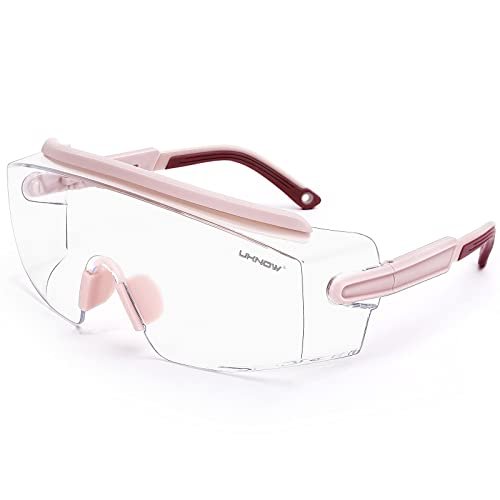 UKNOW Anti-Fog Chemical Splash Safety Goggles
Sealed splash goggles for handling muriatic acid and chlorine. View on Amazon →
UKNOW Anti-Fog Chemical Splash Safety Goggles
Sealed splash goggles for handling muriatic acid and chlorine. View on Amazon →
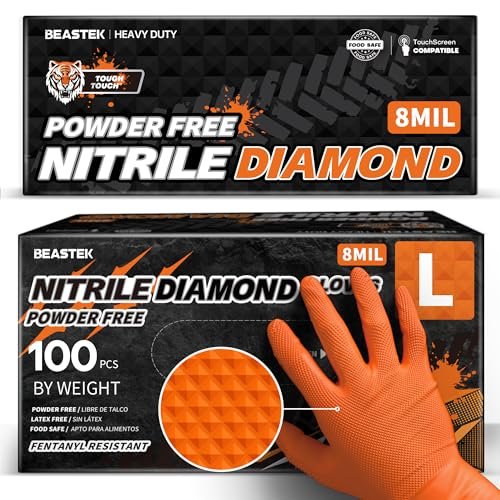 Beastek 8-mil Chemical-Resistant Nitrile Gloves
Disposable nitrile gloves for safe handling of pool chemicals. View on Amazon →
Beastek 8-mil Chemical-Resistant Nitrile Gloves
Disposable nitrile gloves for safe handling of pool chemicals. View on Amazon →
Still need help? Ask a Pool & Spa Expert AD
Get a personalized answer from PoolGuy810 — 30 years owning a pool and spa repair company. Describe your issue and get step-by-step help.
Related Pool Guides
Need More Help?
Try our free pool calculators and tools to help diagnose and fix your pool problems.
Browse Pool ToolsSLAM calculator, pH calculator, salt dosing & more