
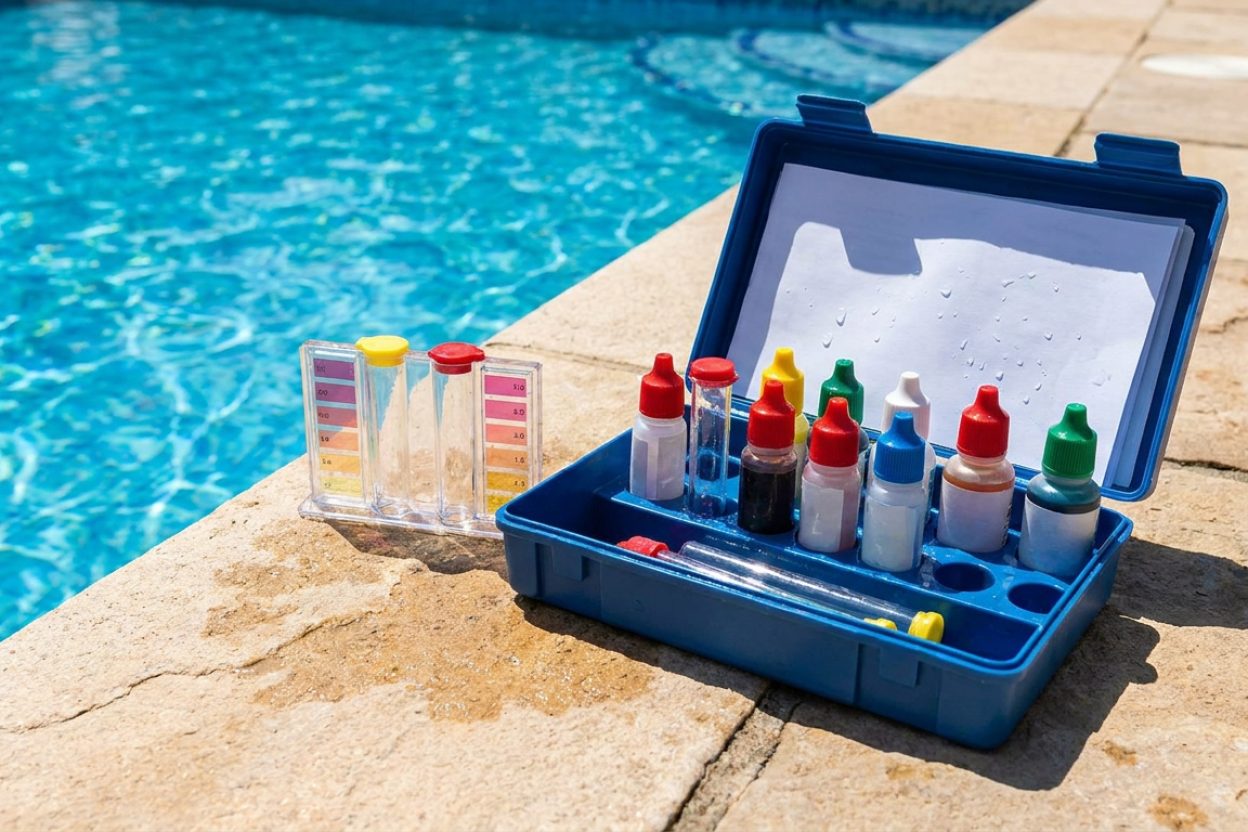
Can Pool Chemicals Make You Sick? Health Risks & Prevention

Are pool chemicals actually making my family sick?
Read full question
During every swim session, there's an overwhelming chemical burn in my nostrils and my kids emerge with angry red skin while my youngest develops this persistent cough. I've been adding chlorine and other chemicals trying to keep the water clean, but now I'm wondering if I'm creating a different problem altogether.
What kinds of health issues can pool chemicals actually cause? I handle the chemicals myself when balancing the water, and sometimes I notice my eyes watering or feeling irritated afterward. Are there specific symptoms I should watch out for that mean the chemical levels are off? I want to keep the pool safe and clean, but not at the expense of making everyone sick.
Quick Answer
Swimming in a balanced pool rarely makes you sick — the usual symptoms (irritated eyes, scratchy throat, dry skin) are minor and come from chloramines or off-balance water. The serious risks (chemical burns, chlorine gas) come from mishandling concentrated chemicals, not from the water. All are preventable with proper balance and safe handling.
Step-by-Step Guide to Identifying Chemical-Related Illness
- Recognize immediate symptoms after pool chemical exposure: Look for burning eyes, skin redness or itching, coughing, difficulty breathing, or throat irritation. These symptoms typically appear within minutes to hours of exposure.
- Test your pool water chemistry immediately: Use a reliable test kit like the Taylor K-2006 to check Free Chlorine (FCFree Chlorine — The chlorine actively sanitizing your water right now. This is the number you keep an eye on. how much you need →), pH, Total Alkalinity (TATotal Alkalinity — The buffer that keeps your pH from bouncing around. Get this in range and pH gets a lot easier to manage. learn more →), and Cyanuric Acid (CYACyanuric Acid (stabilizer) — Sunscreen for your chlorine — it keeps sunlight from burning it off. The catch: the more you have, the more chlorine you need to keep. learn more →) levels. Improper levels are often the culprit behind swimmer discomfort.
- Check for chloramine presence: If your pool smells strongly of chlorine, you likely have chloramines (combined chlorine), not free chlorine. Test Combined Chlorine (CCCombined Chlorine — "Used-up" chlorine left over from doing its job. Above about 0.5 ppm is the classic sign water needs a shock. learn more →) - it should be below 0.5 ppm, ideally near 0. High chloramines cause eye and skin irritation.
- Examine recent chemical additions: Review what chemicals you've added in the past 24-48 hours. Overdosing, mixing chemicals, or adding chemicals without proper dilution can cause health issues.
- Assess ventilation in indoor pools: Poor ventilation in enclosed pool areas can concentrate chemical vapors, leading to respiratory irritation even with proper water chemistry.
Common Ways Pool Chemicals Make You Sick
Direct Chemical Contact
Handling pool chemicals without proper protection is the most dangerous scenario. Concentrated muriatic acid can cause severe chemical burns, while calcium hypochlorite (cal-hypo) can burn skin and clothing. Always wear chemical-resistant gloves, eye protection, and long sleeves when handling any pool chemicals.
Chloramine Exposure
When your pool's free chlorine is too low relative to contaminants, chloramines form. These irritating compounds cause the classic "pool smell" and lead to red eyes, skin irritation, and respiratory problems. The solution is performing a SLAMShock Level And Maintain — raise free chlorine to a target based on your CYA and hold it there until the algae is gone. It's a process, not a one-time dose. the SLAM walkthrough → (Shock Level And Maintain) process using liquid chlorine to break down chloramines.
pH Imbalance Effects
Low pH (below 7.2) is itself irritating to skin and eyes and is corrosive to surfaces and equipment. High pH (above 7.8) shifts chlorine toward its less-active form and can leave skin feeling dry while promoting scaling. Maintain pH between 7.4-7.6 for swimmer comfort.
Overdosing Incidents
Mixing different concentrated chlorine products (for example, cal-hypo with trichlor) or mixing chlorine with acid can trigger a dangerous reaction that releases chlorine gas, and undiluted product can cause chemical burns. Never mix different chemicals, and always follow manufacturer dosing guidelines.
Prevention Steps for Chemical Safety
- Maintain proper water balance consistently: Keep FC at appropriate levels based on your CYA reading (use the FC/CYAFC/CYA chart — The chart that sets your chlorine target from your stabilizer (CYA) level — the two go together. see the chart → chart — minimum FC is about 7.5% of your CYA level for a manually dosed pool, about 5% for a saltwater/SWG pool, with target FC higher), pH at 7.4-7.6, TA at 80-120 ppm for regular pools, and CYA at 30-50 ppm.
- Use liquid chlorine for routine maintenance: Sodium hypochlorite (liquid chlorine) is safer to handle than granular chemicals and doesn't add unwanted byproducts to your water.
- Test water before and after swimming: Check chemistry at least twice weekly, and always test after adding chemicals. Wait appropriate time before swimming - see manufacturer specifications based on dosage amount and circulation rate.
- Wear proper safety equipment: Use chemical-resistant gloves, safety glasses, and closed-toe shoes when handling any pool chemicals. Keep a water source nearby for emergency rinsing.
- Store chemicals safely: Keep chemicals in original containers, away from heat and moisture, and never store different chemicals together (chlorine near acid can release toxic gas, and oxidizers near fuels can ignite). Ensure proper ventilation in storage areas.
- Add chemicals properly: Always add chemicals to water, never water to chemicals. Add chemicals to different areas of the pool with circulation running, and wait between different chemical additions.
When to Seek Medical Attention
Contact emergency services immediately if you experience severe chemical burns, difficulty breathing, persistent coughing, or eye injuries from chemical splashes. For minor skin irritation or eye discomfort, rinse thoroughly with clean water for 15-20 minutes. If symptoms persist or worsen, consult a healthcare provider.
Long-Term Health Considerations
Regular exposure to properly balanced pool water poses minimal health risks. However, chronic exposure to chloramines or working with pool chemicals professionally without protection can lead to respiratory sensitization or occupational asthma. Indoor pool operators should ensure adequate ventilation and consider using alternative sanitization methods like UV or ozone to reduce chemical dependence.
Swimming in a properly maintained pool with balanced chemistry is safe and healthy. The key is maintaining that balance consistently and handling chemicals with appropriate safety measures.
For the full breakdown of safe chlorine levels by CYA level, see our pool water chemistry guide.
 Taylor K-2006C Complete FAS-DPD Pool & Spa Test Kit
The FAS-DPD kit pool pros trust — reads chlorine accurately even at shock/SLAM levels, plus pH, alkalinity, calcium hardness and CYA. View on Amazon →
Taylor K-2006C Complete FAS-DPD Pool & Spa Test Kit
The FAS-DPD kit pool pros trust — reads chlorine accurately even at shock/SLAM levels, plus pH, alkalinity, calcium hardness and CYA. View on Amazon →
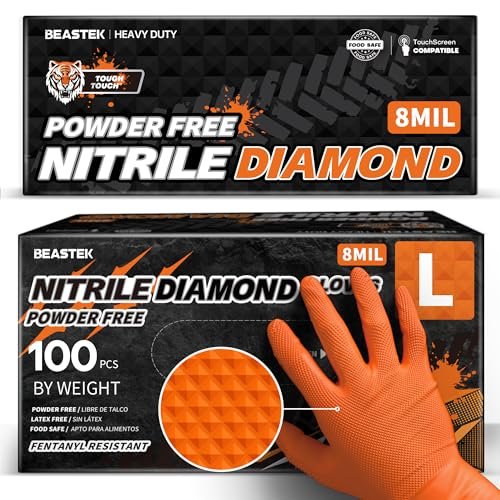 Beastek 8-mil Chemical-Resistant Nitrile Gloves
Disposable nitrile gloves for safe handling of pool chemicals. View on Amazon →
Beastek 8-mil Chemical-Resistant Nitrile Gloves
Disposable nitrile gloves for safe handling of pool chemicals. View on Amazon →
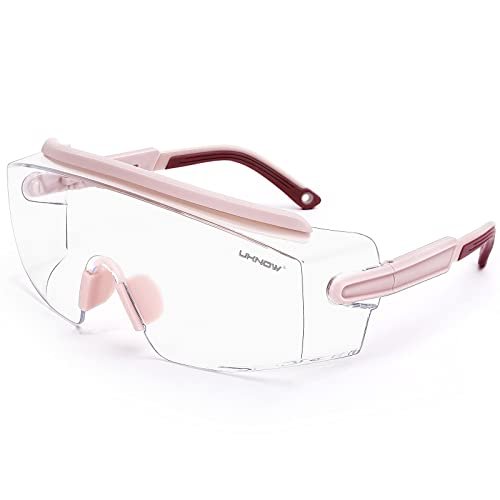 UKNOW Anti-Fog Chemical Splash Safety Goggles
Sealed splash goggles for handling muriatic acid and chlorine. View on Amazon →
UKNOW Anti-Fog Chemical Splash Safety Goggles
Sealed splash goggles for handling muriatic acid and chlorine. View on Amazon →
 Liquid Chlorine / Sodium Hypochlorite (12.5%)
Everyday sanitizer — the B in BBB View on Amazon →
Liquid Chlorine / Sodium Hypochlorite (12.5%)
Everyday sanitizer — the B in BBB View on Amazon →
Still need help? Ask a Pool & Spa Expert AD
Get a personalized answer from PoolGuy810 — 30 years owning a pool and spa repair company. Describe your issue and get step-by-step help.
Related Pool Guides
Need More Help?
Try our free pool calculators and tools to help diagnose and fix your pool problems.
Browse Pool ToolsSLAM calculator, pH calculator, salt dosing & more