Can You Shock a Pool During the Day? Complete Guide
You can shock your pool during the day, but it's less effective due to UV rays breaking down chlorine. Evening shocking after sunset provides better results and longer-lasting sanitization.
Yes, saltwater pools absolutely need cyanuric acid (stabilizer) to protect the chlorine generated by your salt cell from being destroyed by UV rays. Target levels should be 70-80ppm for optimal protection.
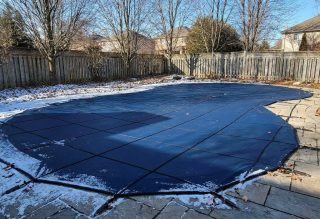
Pool covers don't directly cause algae, but they create ideal conditions for growth by blocking UV rays that normally help chlorine kill algae. Maintain proper chlorine levels and consider removing covers periodically to prevent issues.
Yes, most pools need conditioner (cyanuric acid) to protect chlorine from UV rays. Target 30-50 ppm for regular pools or 70-80 ppm for salt water pools.
You can add pool stabilizer (cyanuric acid) during the day, but it's more effective to add it in the evening. Sunlight doesn't prevent stabilizer from dissolving, but adding it when the sun is down gives it more time to fully distribute before UV rays hit the pool.
Indoor pools generally don't need cyanuric acid (stabilizer) because UV rays aren't breaking down the chlorine. However, if you experience rapid chlorine loss, maintaining 20-30 ppm CYA can help.
Yes, most outdoor pools need stabilizer (cyanuric acid) to protect chlorine from UV rays. Test your current CYA level and aim for 30-50ppm for regular chlorine pools or 70-80ppm for salt water generators.
Pool chlorine does not make your skin darker. The sun exposure you get while swimming in the pool causes tanning, not the chlorine itself. Chlorine can actually make skin more sensitive to UV rays.