
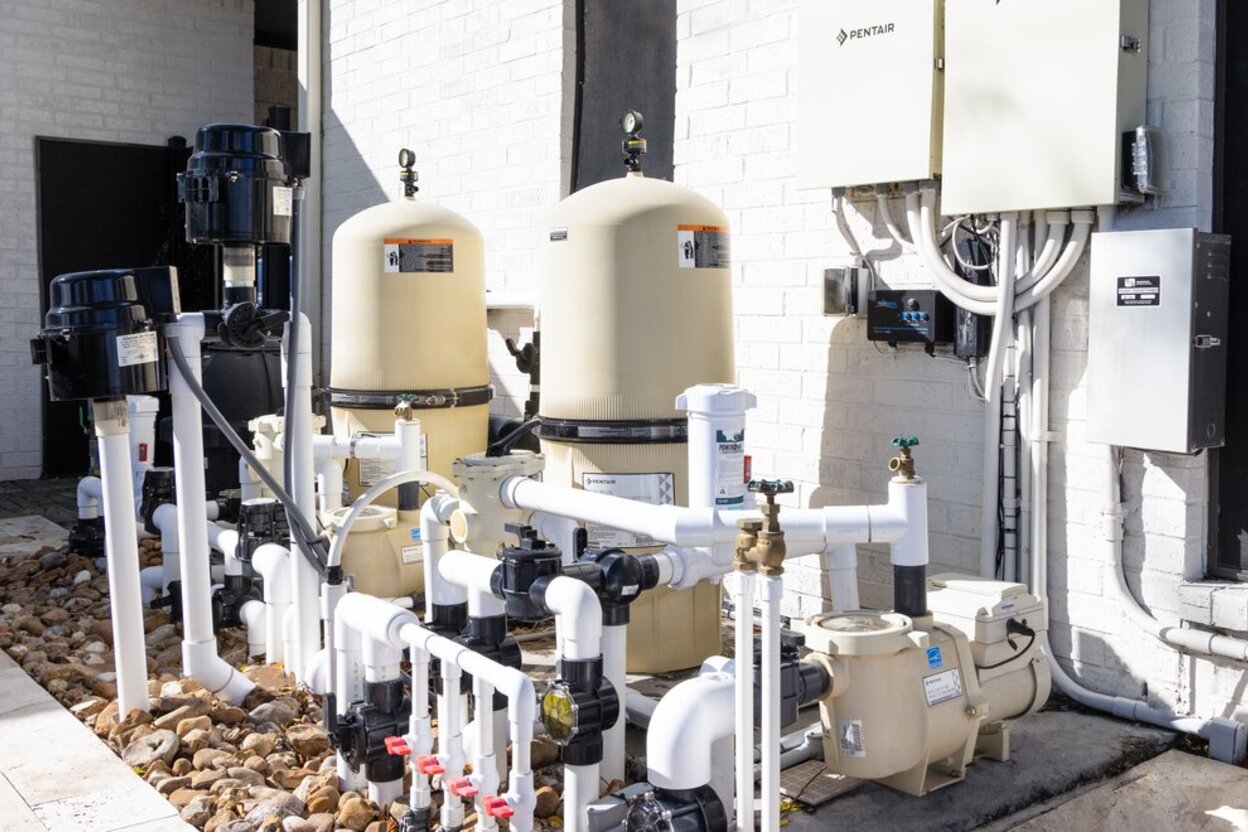
Can You Run Pool Pump 24/7? Winter Operation Guide

Should I keep my pool pump running continuously during winter?
Read full question
I spent all winter listening to this relentless humming from my pool pump running 24/7, and now I'm second-guessing whether constant operation during cold months is safe. I've heard mixed advice - some say it prevents freezing and keeps water circulating, while others warn about equipment wear and high electricity costs. My pool sits unused from November through March, so I'm trying to figure out the best approach for pump runtime during this period. What's the right balance between protecting my equipment and not wasting energy?
Quick Answer
Running a pool pump 24/7 is possible but rarely necessary or cost-effective. Most pools only need 8-12 hours of daily circulation, with continuous operation reserved for specific situations like freeze protection or active algae treatment.
Understanding 24/7 Pump Operation
Nothing ruins a pool owner's winter faster than discovering their pump has been running 24/7, driving up energy bills while potentially damaging equipment. While pumps are designed to handle extended operation, there are important considerations around energy costs, equipment longevity, and actual necessity that you'll want to evaluate.
Step-by-Step Decision Process
1. Assess Your Specific Situation
Start by determining if you actually need continuous operation. The most common reasons include:
- Freeze protection: Temperatures approaching or below freezing (verify freeze protection requirements for your specific region and equipment)
- Active SLAMShock Level And Maintain — raise free chlorine to a target based on your CYA and hold it there until the algae is gone. It's a process, not a one-time dose. the SLAM walkthrough → treatment: When clearing green or cloudy water using the SLAM method
- Severe algae blooms: Requiring maximum circulation and filtration
- Equipment issues: Temporary measure while addressing other problems
2. Calculate Your Energy Costs
Before committing to 24/7 operation, determine the financial impact:
- Find your pump's wattage rating (check your pump's nameplate or manual for exact specifications)
- Check your local electricity rate per kilowatt-hour
- Estimate the cost with our pump runtime & energy calculator (enter watts, hours, and your electricity rate).
- Compare this to your normal 8-12 hour operation costs
Running continuously will significantly increase your electricity costs compared to standard operation schedules.
3. Evaluate Equipment Impact
Consider the wear implications on your system:
- Motor bearings: Pool motors are built as continuous-duty rated, so steady running is well within their design; frequent start/stop cycling is generally the bigger wear factor
- Impeller: Sees little extra wear from steady low-RPM running — a variable-speed pump held at low speed often lasts longer than one cycled on and off daily
- Seals: For a single-speed pump, running 24/7 is mainly a cost concern rather than a wear concern; seals tolerate continuous duty
- Filter media: Requires more frequent cleaning or replacement
When 24/7 Operation Makes Sense
Freeze Protection Protocol
In regions with sustained freezing temperatures, continuous operation prevents ice formation in pipes and equipment. Follow these steps:
- Monitor weather forecasts for sustained sub-freezing conditions
- Start continuous operation before temperatures drop
- Ensure all return jets and skimmers have adequate water flow
- Check system hourly during the first night of freezing weather
- Return to normal schedule once temperatures stabilize above freezing
Water Treatment Scenarios
During intensive water chemistry corrections, continuous circulation helps distribute chemicals and speed treatment. This is particularly important when:
- Following SLAM methodology for algae elimination
- Balancing severely imbalanced water chemistry
- Clearing persistent cloudiness
Optimizing Normal Operation
4. Calculate Proper Daily Runtime
For typical conditions, determine adequate circulation time:
- Use the pool volume calculator to determine your pool size
- Divide pool volume by pump flow rate to get turnover time
- Plan for complete turnovers daily based on your specific pump capacity and pool conditions (consult your pump manual for flow rates)
- Adjust based on bather load and environmental factors
5. Implement Smart Scheduling
Create an efficient pump schedule:
- Split runtime: Divide your required circulation hours between morning and evening periods based on your pool's turnover needs
- Avoid peak electricity rates: Schedule during off-peak hours when possible
- Adjust seasonally: On a dormant pool in mild, non-freezing winter weather, roughly 4-6 hours a day is usually plenty; only ramp toward 24/7 when temperatures drop toward or below about 40°F and freeze protection matters (consult local pool professionals for regional recommendations)
- Increase during heavy use: Add hours during pool parties or high bather loads
Alternative Solutions
Close the Pool for the Season
In colder climates the simplest answer is often not to run the pump all winter at all. Fully winterizing the pool — lowering the water, blowing out and plugging the lines, and adding winter chemicals — protects the equipment from freeze damage and removes any worry about a power outage stopping a running pump during a hard freeze (a stalled pump in freezing weather is exactly when burst plumbing happens). For a pool you won't use from November through March, a proper closing is usually preferable to keeping the pump going.
Variable Speed Pumps
If you need extended circulation, consider a variable speed pump that can run longer at lower speeds, providing continuous water movement while using significantly less energy than single-speed pumps running at full power.
Auxiliary Circulation
For freeze protection, some pool owners install small auxiliary pumps or circulation systems that use minimal energy while maintaining water movement through critical components.
Making the Switch
6. Monitor and Adjust
If you decide to try continuous operation:
- Start with a one-week trial period
- Monitor water quality daily using proper test methods
- Check equipment temperature and unusual noises
- Track electricity usage compared to normal operation
- Evaluate whether the benefits justify the costs
Most pool owners find that proper scheduling of 8-12 hours daily provides excellent water quality while balancing energy costs and equipment longevity. Reserve continuous operation for specific situations where it's truly necessary, rather than as a default approach.

Still need help? Ask a Pool & Spa Expert AD
Get a personalized answer from PoolGuy810 — 30 years owning a pool and spa repair company. Describe your issue and get step-by-step help.
Need More Help?
Try our free pool calculators and tools to help diagnose and fix your pool problems.
Browse Pool ToolsSLAM calculator, pH calculator, salt dosing & more