
How Long Do Automatic Pool Covers Last? What to Know

What's the typical lifespan of motorized pool cover systems?
Read full question
Every summer when temps hit 85°F my automatic pool cover starts jamming halfway across my 16x32 rectangular pool — works perfectly all winter long. My pool is rectangular, about 16x32 feet, and I'm handy with tools so I'm planning to do the installation myself. I've been researching different brands and materials, but I can't find consistent information about how many years these systems typically last before needing major repairs or replacement. I want to factor in the long-term costs - not just the upfront purchase price. Are there specific components that wear out faster than others? I'd also like to know if there are maintenance tasks I can do myself to extend the lifespan.
Quick Answer
Most automatic pool covers last 7-12 years with proper maintenance, though the vinyl cover material typically needs replacement every 5-8 years while the mechanical components can last 10-15 years. Regular cleaning, proper water chemistry, and seasonal maintenance significantly extend lifespan.
Expected Lifespan: The Reality Check
Your automatic pool cover system will likely serve you well for 7-12 years with proper care, but here's the crucial detail most dealers won't tell you upfront: you're really looking at two different lifespans. The vinyl cover material typically needs replacement every 5-8 years depending on your specific system, while motor and mechanical components may last 10-15 years - verify expected lifespan with your manufacturer.
This means you'll probably replace the cover fabric once during the system's lifetime - budget around 40-60% of your original investment for that eventual replacement.
What Determines How Long Your Cover Lasts
The biggest factor affecting longevity is your pool's chemical balance. Covers exposed to high chlorine levels or pH swings will deteriorate faster - consult your cover manufacturer for specific chemical tolerance limits. Covers can fail in just 3-4 years when water chemistry runs wild, and others push past 10 years with meticulous chemical management.
Sun exposure plays a huge role too. If your pool gets intense direct sunlight most of the day, expect the shorter end of the lifespan range. The UV rays break down the vinyl's plasticizers, making it brittle and prone to tearing.
Component Breakdown Timeline
Component lifespans vary by manufacturer and model. Typical ranges include:
- Vinyl cover material: 5-8 years (replaceable)
- Motor and gearbox: 10-15 years
- Track system: 15+ years with proper installation
- Springs and cables: 6-10 years
- Control switches: 10-15 years
Verify expected lifespan for your specific system with the manufacturer.
Why It Jams in the Heat but Not in Winter
A cover that binds or stalls halfway only when it's hot out (around 85°F and up) but runs fine in cool weather usually isn't worn out — it's reacting to heat. Three common culprits: the cover fabric and aluminum tracks expand and bind, the ropes/cables have stretched and need seasonal re-tensioning, or the motor's thermal-overload cutoff is tripping as it works harder against the added friction. Re-tension the ropes to spec, check the tracks for debris or tight spots, and let the motor cool before retrying. If it still stalls after that, have the mechanism serviced before assuming the motor is failing.
Red Flags That Signal Replacement Time
Don't wait for catastrophic failure. Watch for these warning signs: small tears or pin holes in the cover material, fraying along the edges, difficulty opening or closing (motor strain), water pooling in unusual spots, or visible fading and brittleness when you touch the material.
Motor issues usually start subtle - slower operation, hesitation when starting, or unusual noises. Address these early and you might get several more years from the system.
Maximizing Your Investment
Since you're planning to install this yourself, you're already ahead of the game. Proper installation prevents most premature failures I see in the field.
Essential Maintenance Tasks
Keep your pool chemistry balanced religiously - free chlorine toward the low end of the target for your CYACyanuric Acid (stabilizer) — Sunscreen for your chlorine — it keeps sunlight from burning it off. The catch: the more you have, the more chlorine you need to keep. learn more → (and never hold shock-level chlorine under a closed cover — it attacks the fabric), pH 7.2-7.6 (verify acceptable ranges with your cover manufacturer as requirements may vary). Test twice weekly during swimming season. And never close the cover right after shocking — leave it open for several hours so the chlorine gas can vent, since trapped fumes are one of the fastest ways to ruin the fabric. Remove debris from the cover surface weekly; standing water and leaves create stains and promote deterioration.
Lubricate the track system every six months with marine-grade grease. Check and adjust cable tension annually - loose cables cause uneven wear and motor strain. Clean the cover material monthly with mild soap and water, never harsh chemicals or pressure washers.
Installation Considerations for Longevity
Pay extra attention to proper drainage during your installation. Poor drainage causes water accumulation, which leads to premature wear and potential motor damage. Ensure your track alignment is perfect - even small misalignments cause excessive wear on cables and cover edges.
When Replacement Makes More Sense
If your system hits the 10-year mark and you're facing a major motor repair costing more than 50% of a new system, replacement may make better financial sense - consult with a pool professional to evaluate your specific situation. Technology improvements in newer systems often provide better reliability and energy efficiency.
However, if just the cover material needs replacement and your mechanical components are solid, that's typically a worthwhile investment.
For the full breakdown of safe chlorine levels by CYA level, see our pool water chemistry guide, or use our free all-in-one pool calculator to estimate the right free chlorine for your CYA.
 Taylor K-2006C Complete FAS-DPD Pool & Spa Test Kit
The FAS-DPD kit pool pros trust — reads chlorine accurately even at shock/SLAM levels, plus pH, alkalinity, calcium hardness and CYA. View on Amazon →
Taylor K-2006C Complete FAS-DPD Pool & Spa Test Kit
The FAS-DPD kit pool pros trust — reads chlorine accurately even at shock/SLAM levels, plus pH, alkalinity, calcium hardness and CYA. View on Amazon →
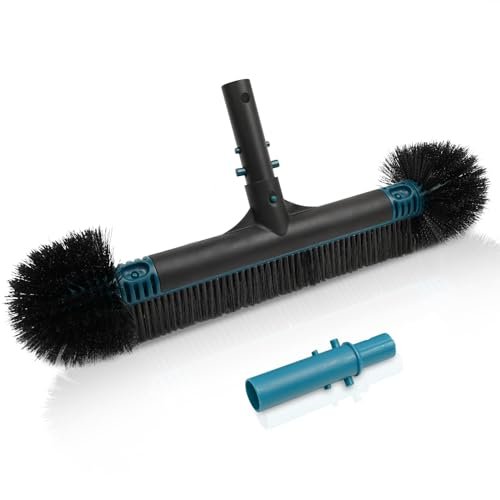 Poolvio 20" 2-in-1 Pool Brush Head (Walls & Floor)
Sturdy 20-inch brush head that clips onto any standard telescopic pole. View on Amazon →
Poolvio 20" 2-in-1 Pool Brush Head (Walls & Floor)
Sturdy 20-inch brush head that clips onto any standard telescopic pole. View on Amazon →
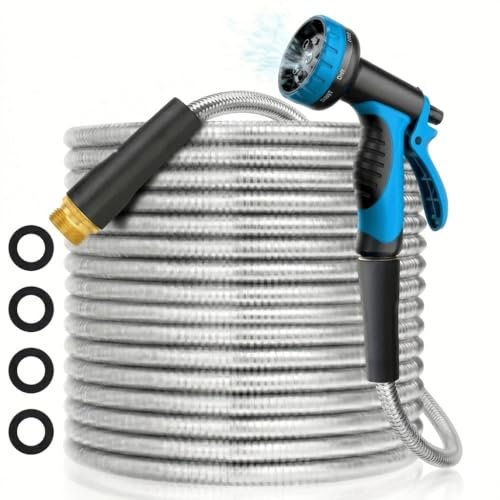 50 ft Flexible Metal Garden Hose (Kink-Free)
Durable hose for filling, priming, and rinsing equipment. View on Amazon →
50 ft Flexible Metal Garden Hose (Kink-Free)
Durable hose for filling, priming, and rinsing equipment. View on Amazon →
Still need help? Ask a Pool & Spa Expert AD
Get a personalized answer from PoolGuy810 — 30 years owning a pool and spa repair company. Describe your issue and get step-by-step help.
Need More Help?
Try our free pool calculators and tools to help diagnose and fix your pool problems.
Browse Pool ToolsSLAM calculator, pH calculator, salt dosing & more